

Neighborhood Secrets: Integrating into Local Life While Staying in Private Residences
November 10, 2025 |J.C. Yue

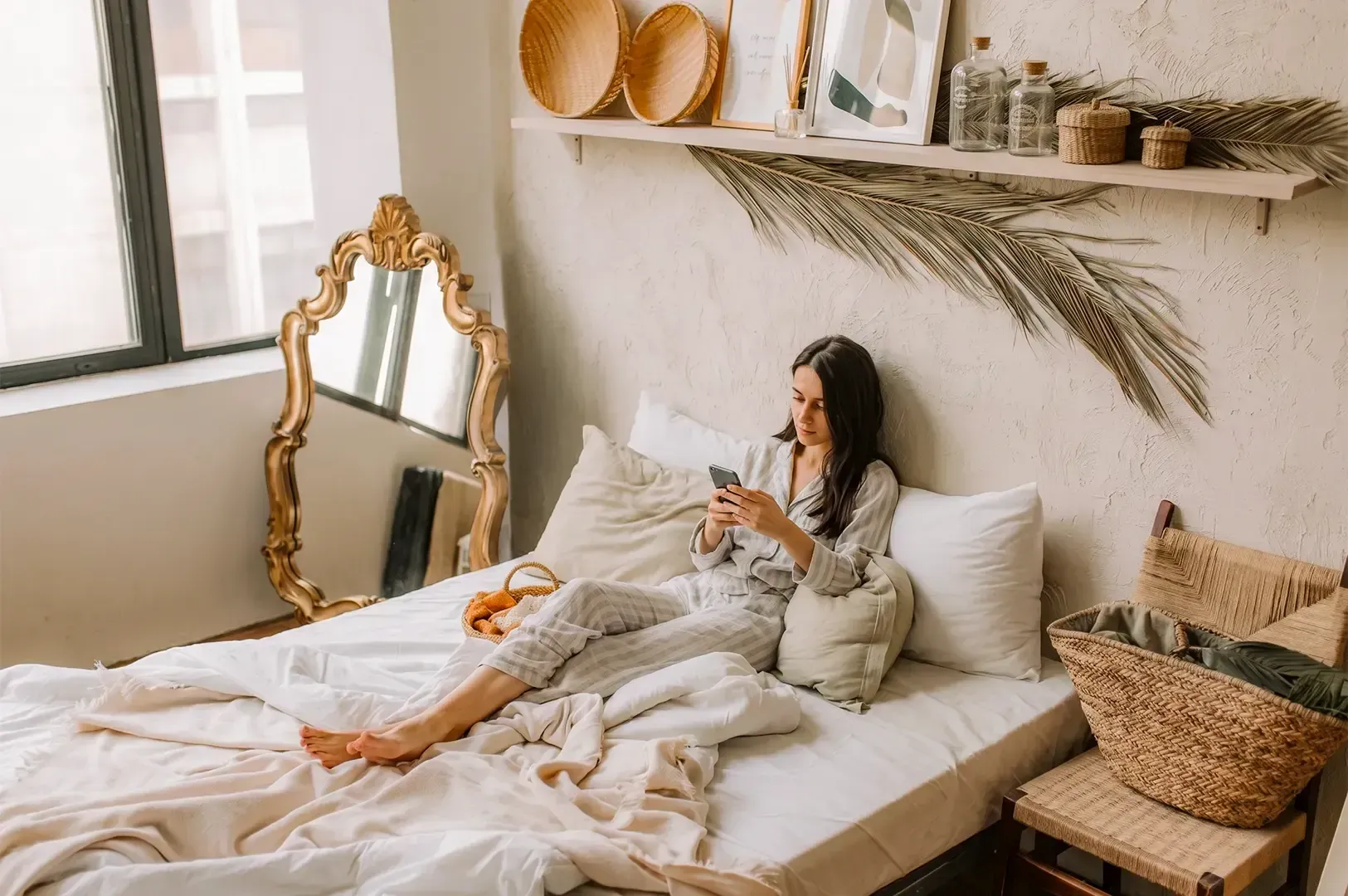
There is a distinct difference between visiting a city and truly living in it, even if only for a short time. While a luxury hotel offers a cocoon of perfect, predictable service, a private residence offers something far more elusive: a key to a real front door, on a real street, in a real neighborhood. For my boss, the choice to stay in a private home—be it a chic Parisian apartment, a sprawling Tuscan villa, or a modern Tokyo house—is often about seeking privacy and space. But for me, it opens up a world of authentic local experiences.
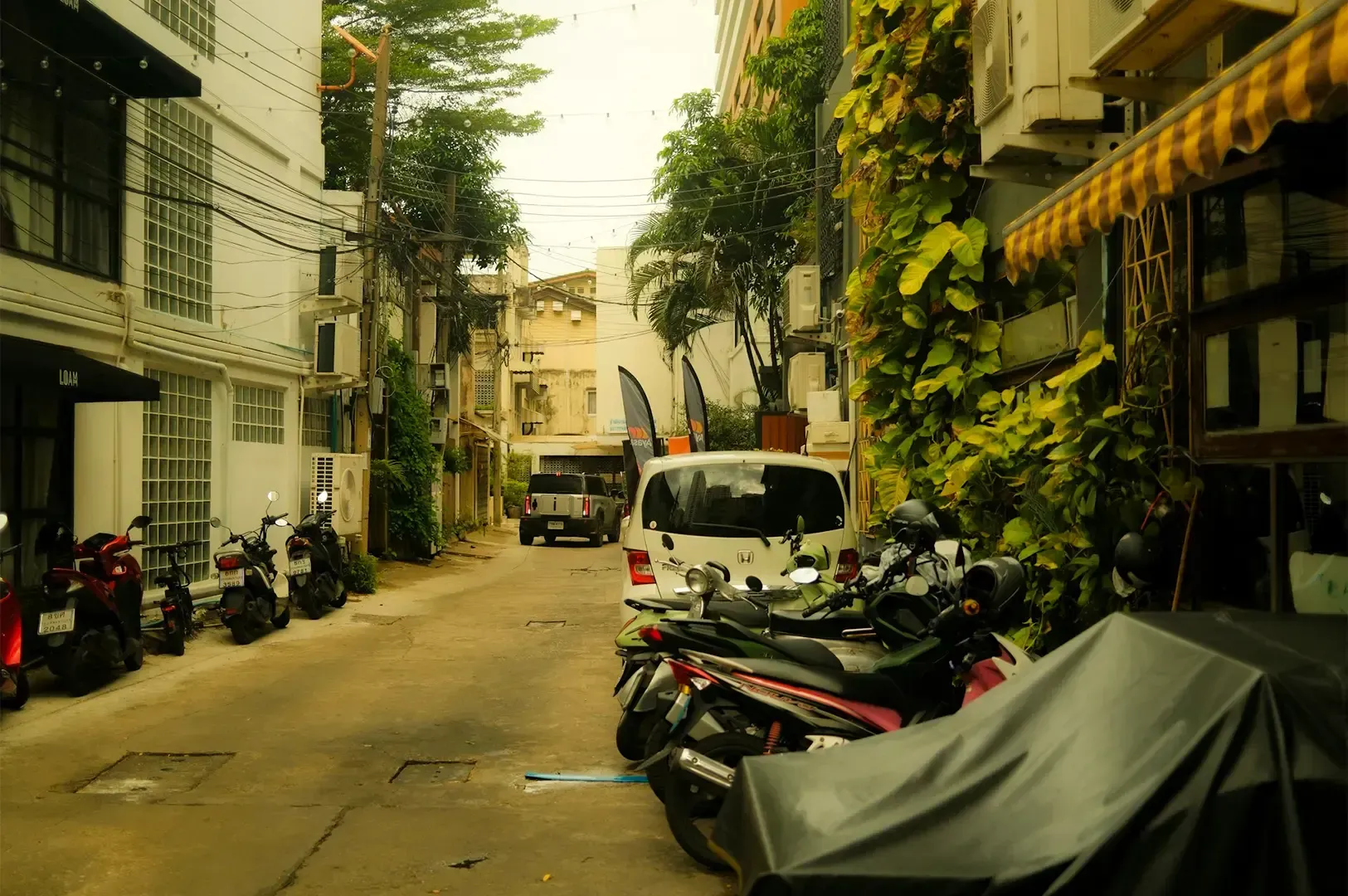
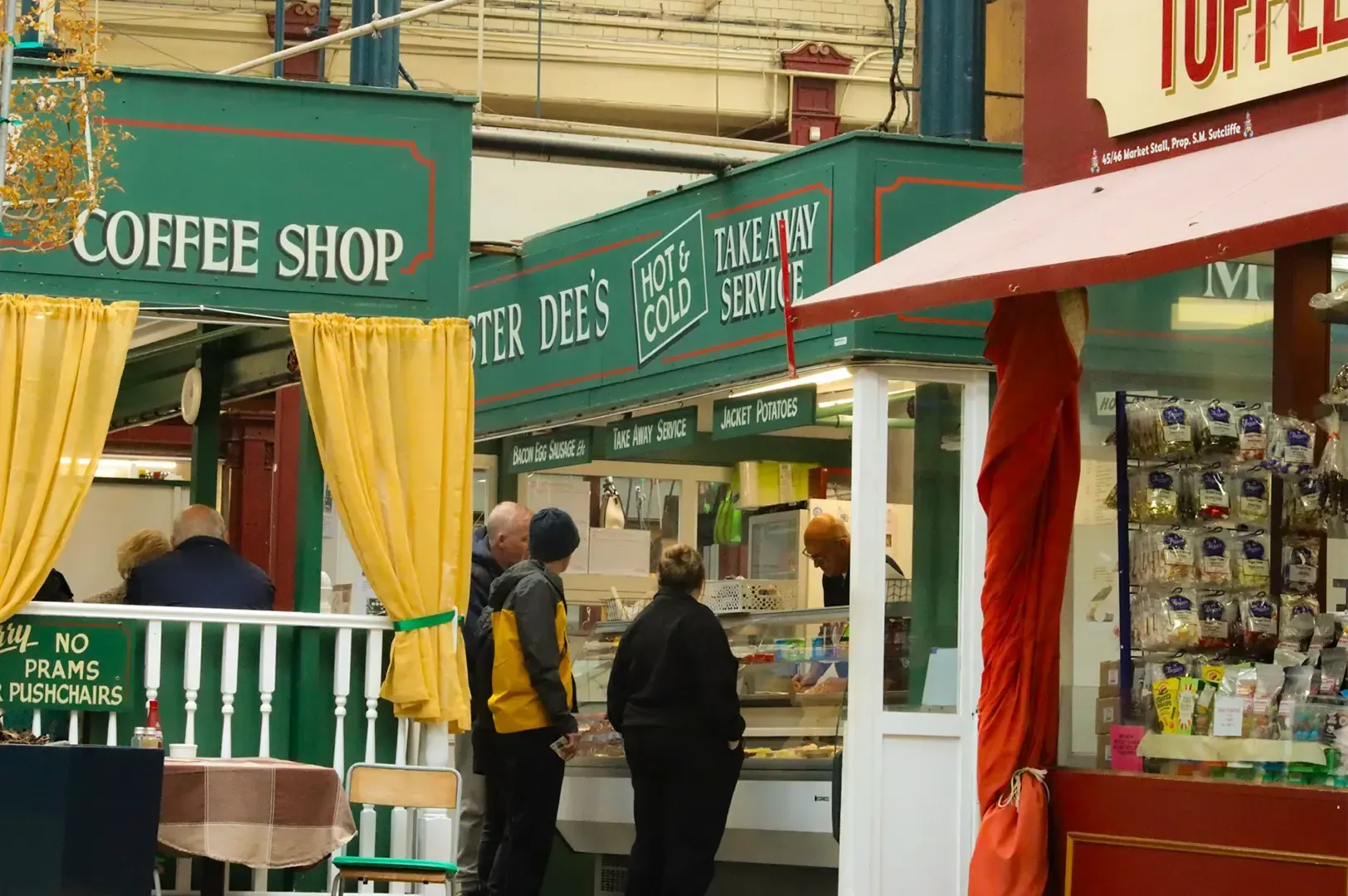
Staying in a residence plunges you directly into the rhythm of local life. You are no longer an observer behind the glass of a hotel lobby; you are a temporary participant. This is where the magic of slow travel begins. It’s about discovering the neighborhood's secrets: the best local bakery, the friendliest grocer, the quietest park bench. It’s about learning to navigate a local market and having a "regular" coffee spot, if only for a week.
This guide is about moving beyond the tourist map and embracing the opportunity to live like a local. It’s a collection of strategies and personal anecdotes from years of setting up temporary homes around the world, designed to help you unlock the soul of a neighborhood and create a deeper, more meaningful connection to the places you visit.
The Shift in Mindset: From Tourist to Temporary Resident
The first step to integrating into local life is a mental one. You must shift your perspective from that of a visitor to that of a temporary resident. This means embracing a different pace and a different set of priorities.
Trading a Checklist for Curiosity
A tourist often arrives with a checklist: see the Eiffel Tower, visit the Colosseum. A temporary resident arrives with curiosity: where do people around here buy their bread? What’s the best time to visit the local market? This shift encourages you to find joy in the mundane and to see the everyday life of a place as an attraction in itself. This approach to travel, often called immersive travel, is about depth over breadth.
The Art of Observation
My role often involves long periods of waiting or running small errands. I've learned to use this time for observation. I’ll sit at a sidewalk cafe and just watch. I’ll notice how people greet each other, the unspoken rules of queuing, the daily rituals that define the neighborhood's character. This passive learning is an incredibly powerful tool for
cultural understanding.
1. The Morning Ritual: Your Key to the Neighborhood

Every neighborhood has a morning rhythm. Tapping into it is the fastest way to feel like you belong.
Finding "Your" Spot
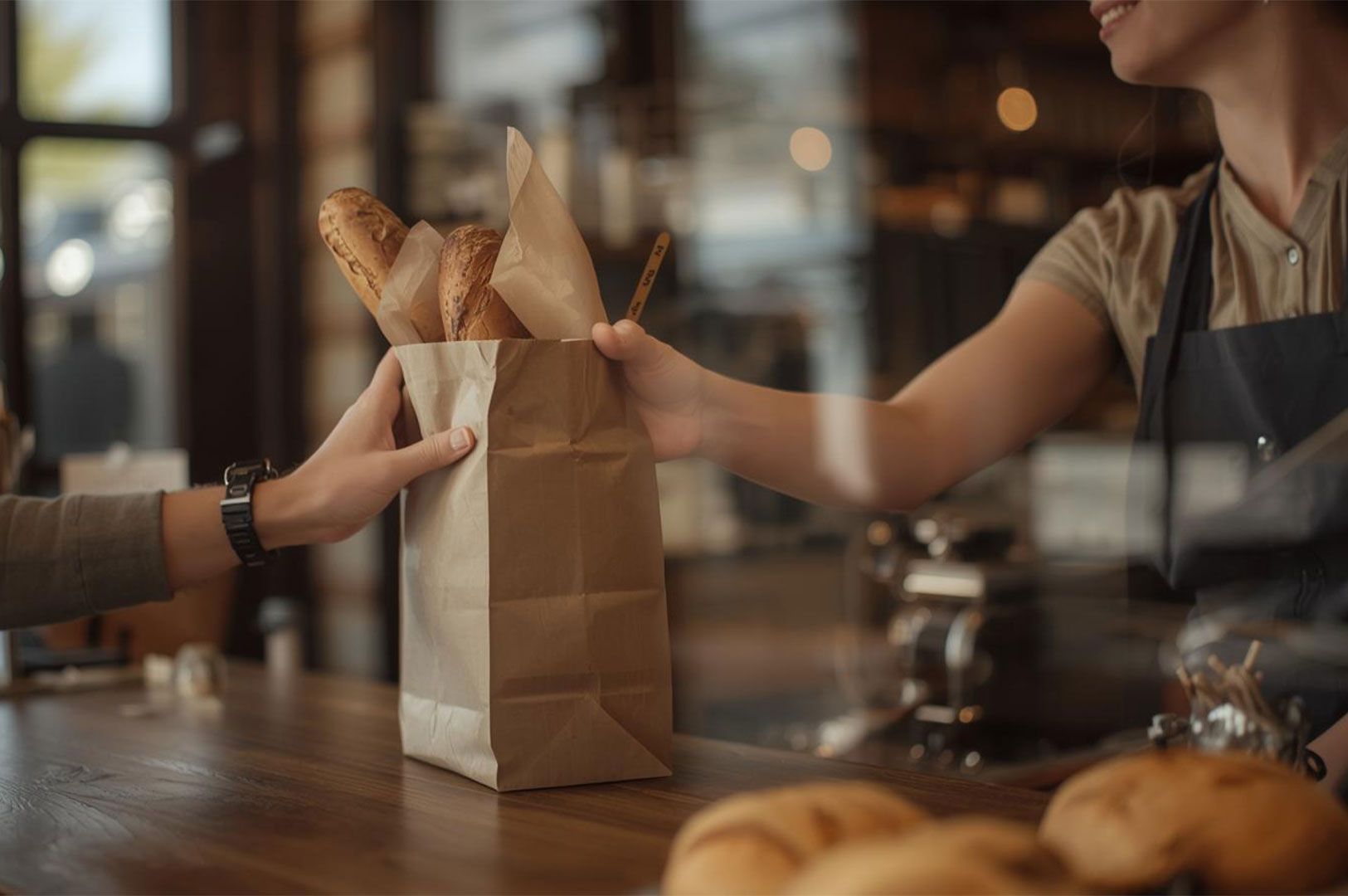
On my first morning in any new residence, my first mission is to find the best local coffee shop or bakery. I don't use an app; I walk and follow the scent of fresh bread or roasted coffee. Once I find a place, I become a regular. I go at the same time every morning. By the third day, the barista often starts to recognize me with a nod. This small moment of recognition is a powerful anchor. It’s the first thread you weave into the local fabric.
A Parisian Boulangerie Lesson
I remember a stay in an apartment in Le Marais, Paris. I found a tiny, family-run boulangerie. The first day, I pointed awkwardly. By the end of the week, I could confidently ask for "une tradition, pas trop cuite" (a traditional baguette, not too cooked). The owner, a stern-looking woman, even cracked a smile on my last day. That small victory felt more significant than seeing the Mona Lisa for the tenth time. This is the kind of authentic experience the Paris Tourism Office encourages visitors to seek out.
How to Master the Morning Ritual
- Go Analog: Ditch the apps and explore on foot.
- Be Consistent: Visit the same place at the same time.
- Learn the Lingo: Master the basic words for what you want. "A coffee, please" in the local language goes a long way.
2. The Local Market: A Feast for the Senses

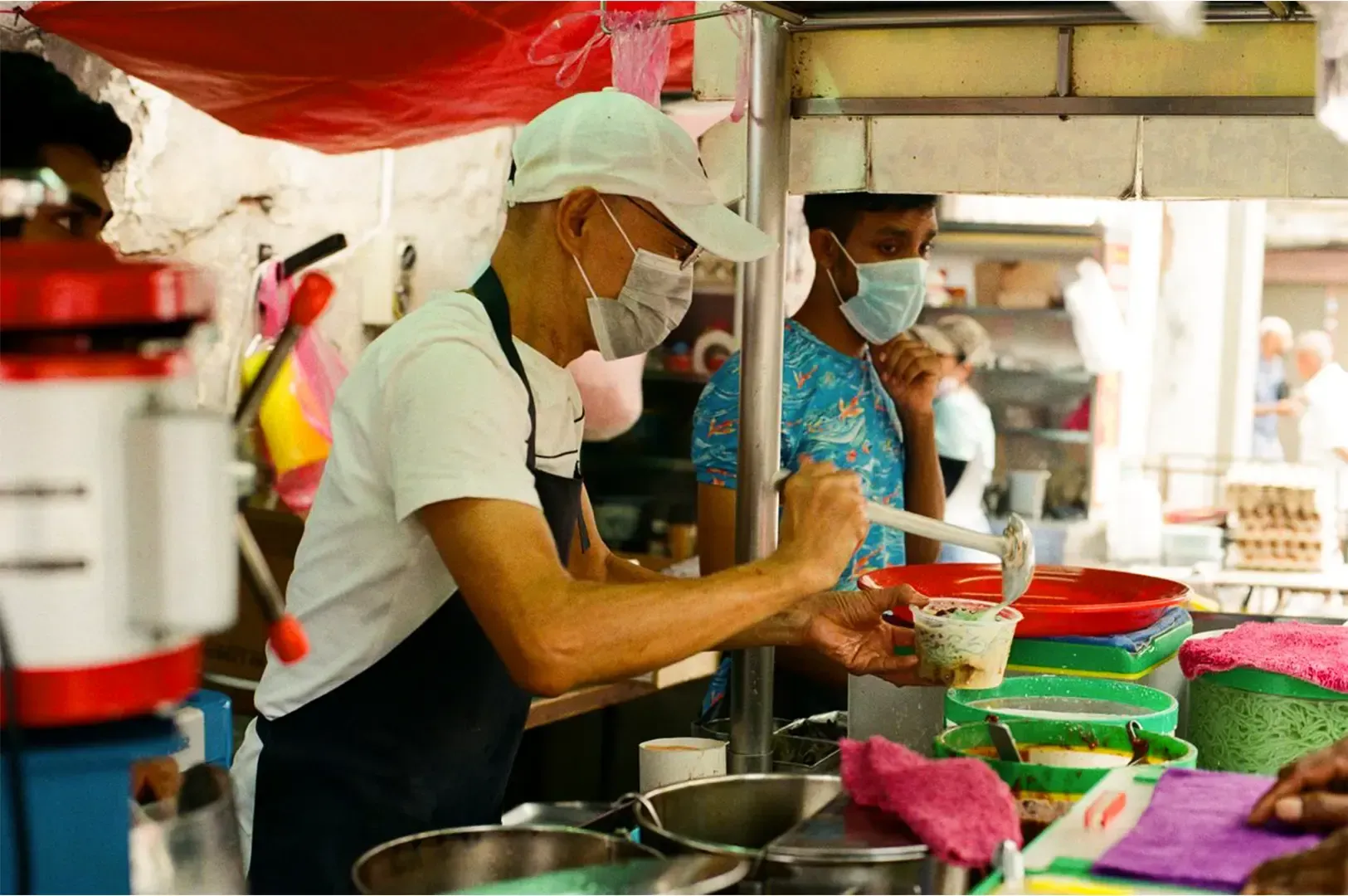
The local market is the beating heart of any neighborhood. It’s where you’ll find the freshest produce, the best regional specialties, and the most vibrant cross-section of local life.
Navigating the Market Like a Pro
For me, stocking the kitchen of a private residence is a core task. My first stop is always the local market. It can be intimidating, with its loud vendors and unwritten rules.
- Observe First: Watch how others interact with vendors. Do they handle the produce themselves, or does the seller select it?
- Bring Cash and Your Own Bag: This shows you’re an experienced market-goer.
- Ask for Advice: Don't know what a certain vegetable is? Ask. Vendors are often passionate about their products and happy to share cooking tips.
A Culinary Education at La Boqueria, Barcelona
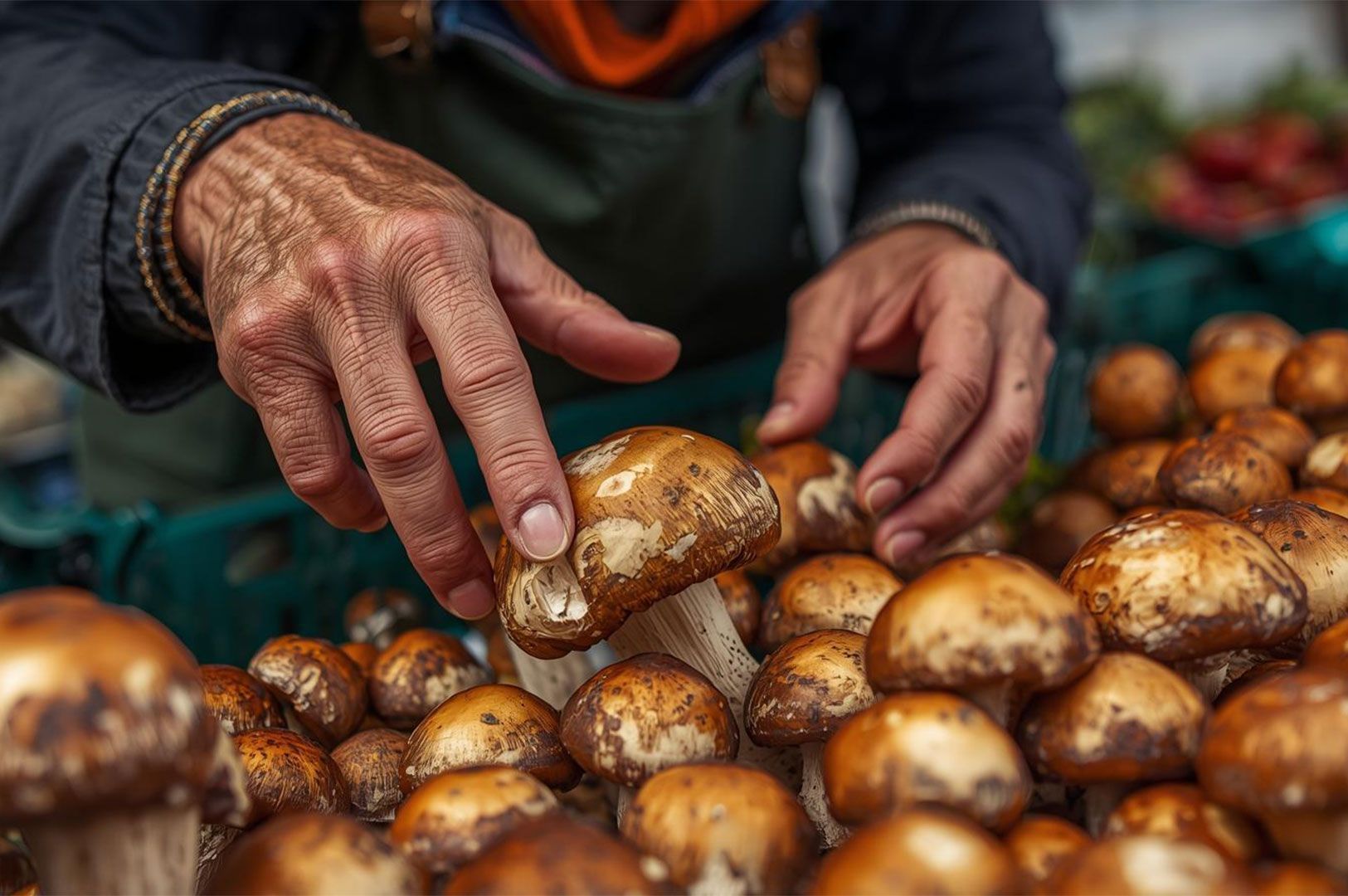
While staying in Barcelona's Gothic Quarter, I made daily trips to the famous La Boqueria market. At first, it was overwhelming. But then I found a quiet stall selling mushrooms. The vendor, an old man with dirt under his fingernails, taught me the difference between a dozen types of local mushrooms. My boss was treated to the most amazing wild mushroom risotto that night, made with ingredients and knowledge I could never have found in a supermarket. This is the kind of deep dive into Catalan culture celebrated by the official Catalonia tourism board.
3. Beyond the Guidebook: Uncovering Neighborhood Secrets

The true gems of a neighborhood are rarely in the guidebooks. They are the places locals cherish. Finding them requires a bit of detective work and a willingness to engage.
The Power of the "Third Place"
Sociologist Ray Oldenburg coined the term "third place" to describe the important anchors of community life outside the home (the first place) and work (the second place). Think of pubs, cafes, and bookstores. Finding and frequenting a third place is a fantastic way to meet people and get local tips.
A London Pub and a History Lesson
During a long stay in a mews house in London's Kensington, I started visiting a nearby pub for a quiet meal on my evenings off. I got to talking with the bartender. When he learned I was from Singapore, he told me the pub had been a favorite haunt of a famous British officer who had been stationed there. He showed me old photos behind the bar. This small, personal history lesson was a far richer experience than a formal museum visit. This focus on local history is what makes London's neighborhoods, as detailed by Visit London, so fascinating.
Talk to People: The Ultimate Local Guide
The best resource for local secrets is the locals themselves.
- The Shopkeeper: The person at the corner store or newsstand sees everything. Ask them for a restaurant recommendation.
- The Dog Walker: People walking their dogs are often friendly and know the best parks and walking routes.
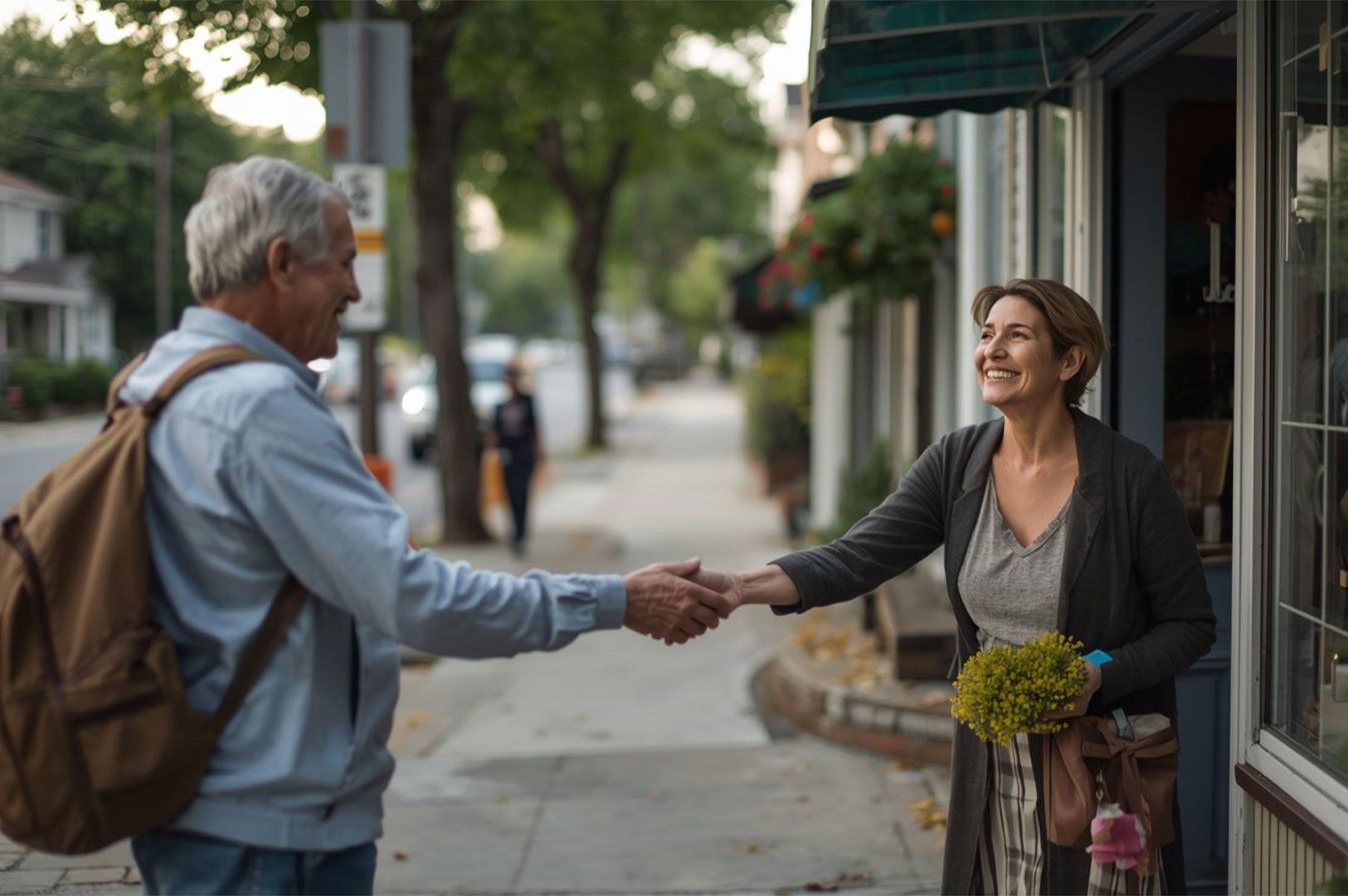
- The Neighbor: A simple "hello" to a neighbor can open the door to a wealth of information.
4. Respectful Integration: Being a Good Temporary Neighbor

When you stay in a private residence, you have a responsibility to be a good neighbor. You are a guest in someone else's community. Respectful travel is key.
Understanding Local Norms
Every place has its own social customs. In a quiet Swiss village, making noise after 10 PM is a serious faux pas. In Italy, the afternoon "riposo" or siesta is still a respected tradition in many small towns. I always do a bit of research on local etiquette, and my first conversations with a property manager always include questions about neighborhood norms like trash disposal and noise levels.
Support Local Businesses
One of the best ways to integrate and show respect is to
spend your money locally. Instead of going to a large chain supermarket, buy your groceries from the small, independent grocer. Purchase your wine from the local enoteca. This not only supports the community but also enriches your own experience. Organizations like the
Small Business Administration (SBA) in the US highlight the importance of supporting local economies.
The Souvenir of Belonging
Integrating into local life transforms travel from a passive act of consumption to an active process of connection. It’s not about losing your own identity, but about adding layers to it. The skills you learn—observation, curiosity, and the courage to connect with strangers—are valuable long after you've returned home.
The ultimate goal of staying in a private residence isn't just to have more space or privacy. It's to have the opportunity to glimpse a place from the inside out. By embracing the rhythm of the neighborhood, you gain more than just a place to sleep. You gain a sense of place, a deeper understanding of a different culture, and the most precious souvenir of all: the feeling, even for just a little while, that you belonged.
If you enjoyed this story, you might also like
The Last Supper: Dining at Legendary Restaurants Before They Close Their Doors or
After Hours: Where Chefs Eat When Their Own Restaurants Close.