Travel Guide: The Assistant's Singapore - Navigating My Hometown Through a Local-Turned-Global Lens
October 8, 2025 |J.C. Yue
After traversing more than 40 cities around the world as a personal assistant, returning to Singapore always stirs a complex blend of emotions. My hometown—this gleaming city-state that transitions seamlessly between ultramodern and traditionally Asian—now appears through a lens polished by international exposure and refined by global standards of luxury and service.
Having traveled extensively throughout Southeast Asia, I appreciate how Singapore serves as a vibrant gateway to the region, offering easy access to the diverse cultures and attractions of neighboring countries.
Rediscovering Singapore: The Return Journey
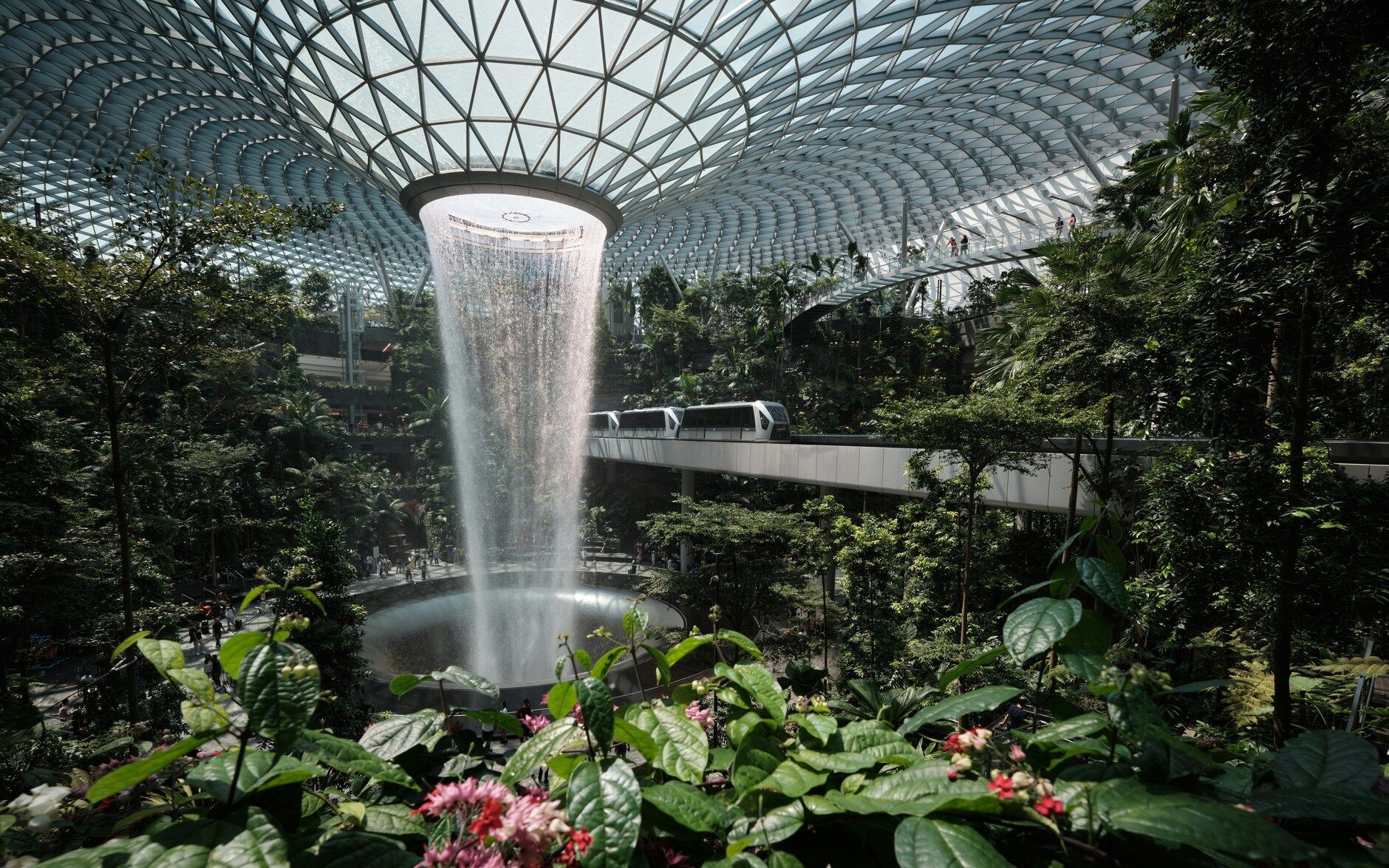
Each time my plane descends through the tropical clouds toward Changi Airport, I’m struck by the meticulous urban planning that unfolds beneath—a testament to Singapore’s unwavering commitment to reinvention and its ongoing and future city planning initiatives. What once felt ordinary now reveals itself as extraordinary when viewed through my travel-weary eyes.
To fully appreciate Singapore's many attractions, it's important to plan your visit or itinerary in advance, ensuring you make the most of your time in the city.
The Travel Guide and Travel Tips - Best Things and Best Places
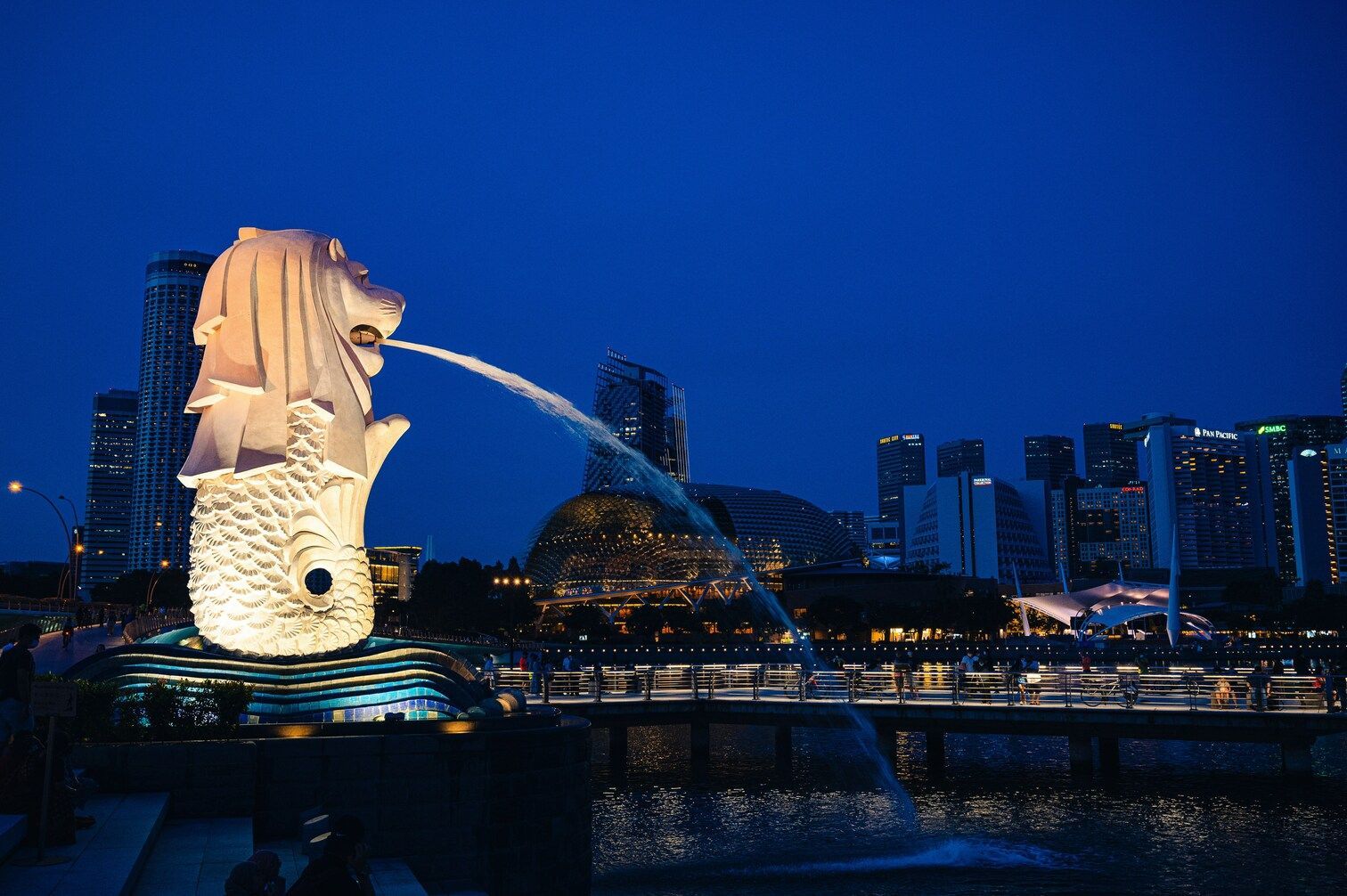
Singapore is a dynamic destination that offers a unique blend of modern city life and lush natural beauty. As a small country, Singapore boasts a wide range of experiences for every traveler. Its vibrant tourism industry has transformed the city into a must-visit spot, showcasing dynamic attractions, a diverse food scene, and rich cultural experiences. Many travelers also include Malaysia in their Southeast Asia travel plans, given its proximity to Singapore.
Whether you’re a first-time visitor or returning to explore more, this travel guide provides essential travel tips and highlights the best things to do and best places to visit in the Lion City. Singapore is home to some of the world's most renowned attractions and experiences. Thanks to its consistent tropical climate, Singapore’s attractions can be enjoyed year round without seasonal limitations.
Mass Rapid Transit
Getting around Singapore is incredibly convenient thanks to its efficient Mass Rapid Transit (MRT) system. The MRT network covers most parts of the city and operates with punctuality and cleanliness that few cities can match.
In addition to the MRT, Singapore boasts an extensive network of bus and MRT routes, making navigation and planning your journey easy with the help of maps and apps.
Visitors can easily access major attractions, shopping districts, and neighborhoods by using contactless payment methods such as credit cards or mobile wallets, making travel seamless and cash-free. You can pay for transportation using a variety of methods, including cash, cards, and mobile wallets like Apple Pay and Samsung Pay.
For tourists, the Singapore Tourist Pass offers unlimited rides for a fixed period, providing excellent value for those planning to explore extensively. The cost of using public transportation in Singapore is generally affordable, with prices varying depending on the distance traveled and the mode of transport. Additional charges may apply for transfers or when using foreign credit cards.
The MRT is not only affordable but also wheelchair accessible, ensuring comfort and ease for all travelers. Private hire cars and taxis are also widely available in Singapore, offering a convenient and accessible way to get around the city. Visitors can easily book a car or taxi using mobile apps such as Grab or Gojek, making it simple to reach attractions and navigate Singapore efficiently.
Garden City
Singapore’s reputation as a Garden City is well-deserved. The city-state is renowned for its commitment to integrating greenery within urban spaces, creating a refreshing environment that balances nature with development. Gardens by the Bay, with its iconic Supertrees and climate-controlled conservatories, is a must-visit attraction showcasing innovative horticulture.
The Singapore Botanic Gardens, a UNESCO World Heritage Site, offers tranquil walking paths and the stunning National Orchid Garden. Mount Faber is another popular viewpoint and transportation hub, known for its panoramic views of the city and harbor, as well as its cable car rides. In addition to these, Singapore boasts a wide variety of parks throughout the city, offering recreational and nature experiences for all ages.
These green spaces provide a welcome break from the bustling city streets and are perfect for visitors seeking relaxation, outdoor adventures, or a glimpse into Singapore’s dedication to sustainability and urban greening.
Changi: More Than Just An Airport
For many travelers, airports represent transition spaces—utilitarian gateways between destinations. The smooth entry process at Changi Airport, including efficient immigration and customs procedures, sets the tone for a welcoming arrival. From the butterfly garden to the seamless immigration process, I now recognize what my international colleagues have always appreciated about arriving in Singapore. Travelers should check visa requirements before arriving in Singapore to ensure a smooth entry.
The Evolution of Luxury in the Lion City
Working alongside the global elite has recalibrated my understanding of luxury. Singapore has always pursued excellence, but witnessing how other metropolises define and deliver premium experiences has deepened my appreciation for my hometown’s unique approach.
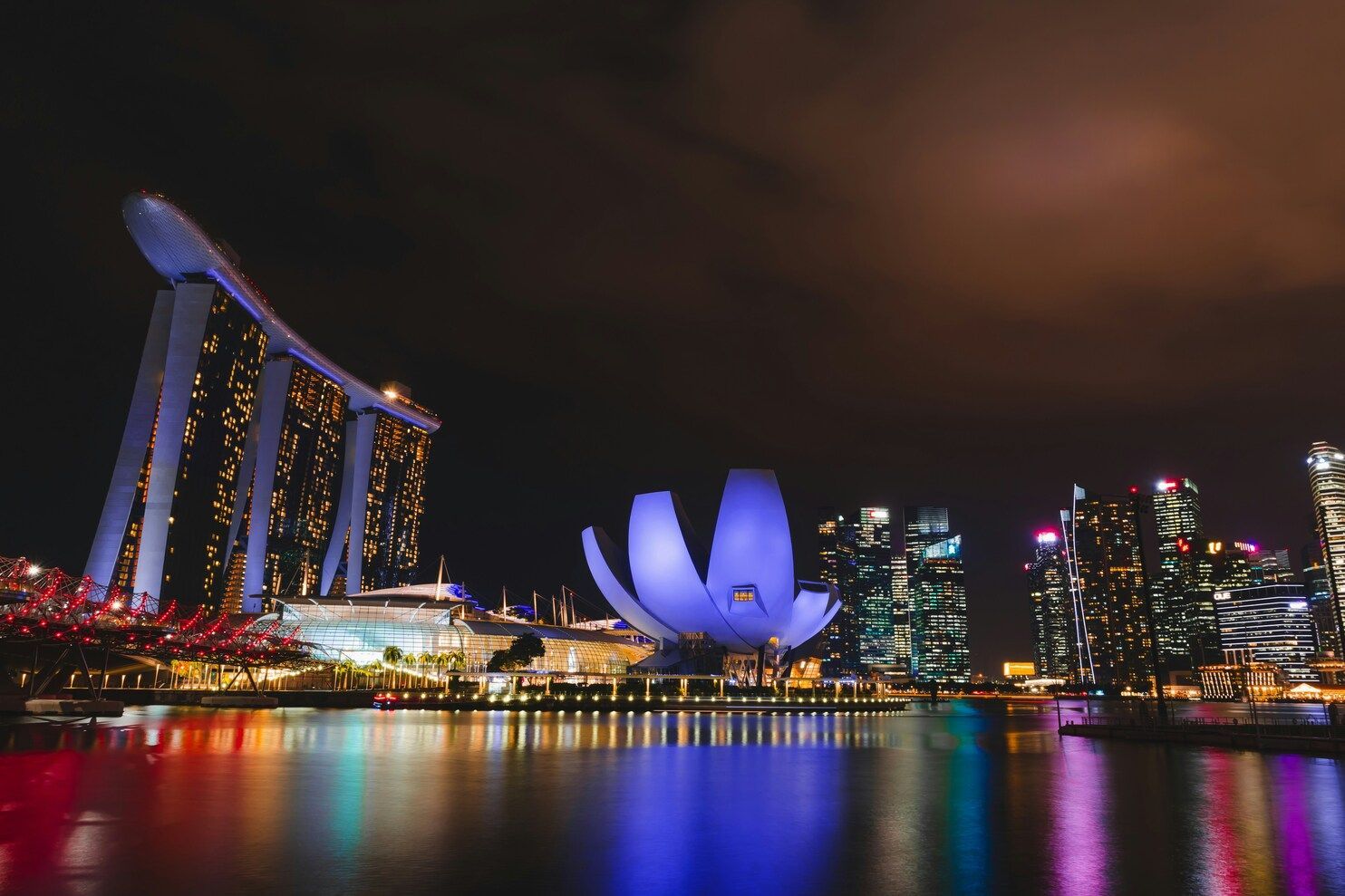
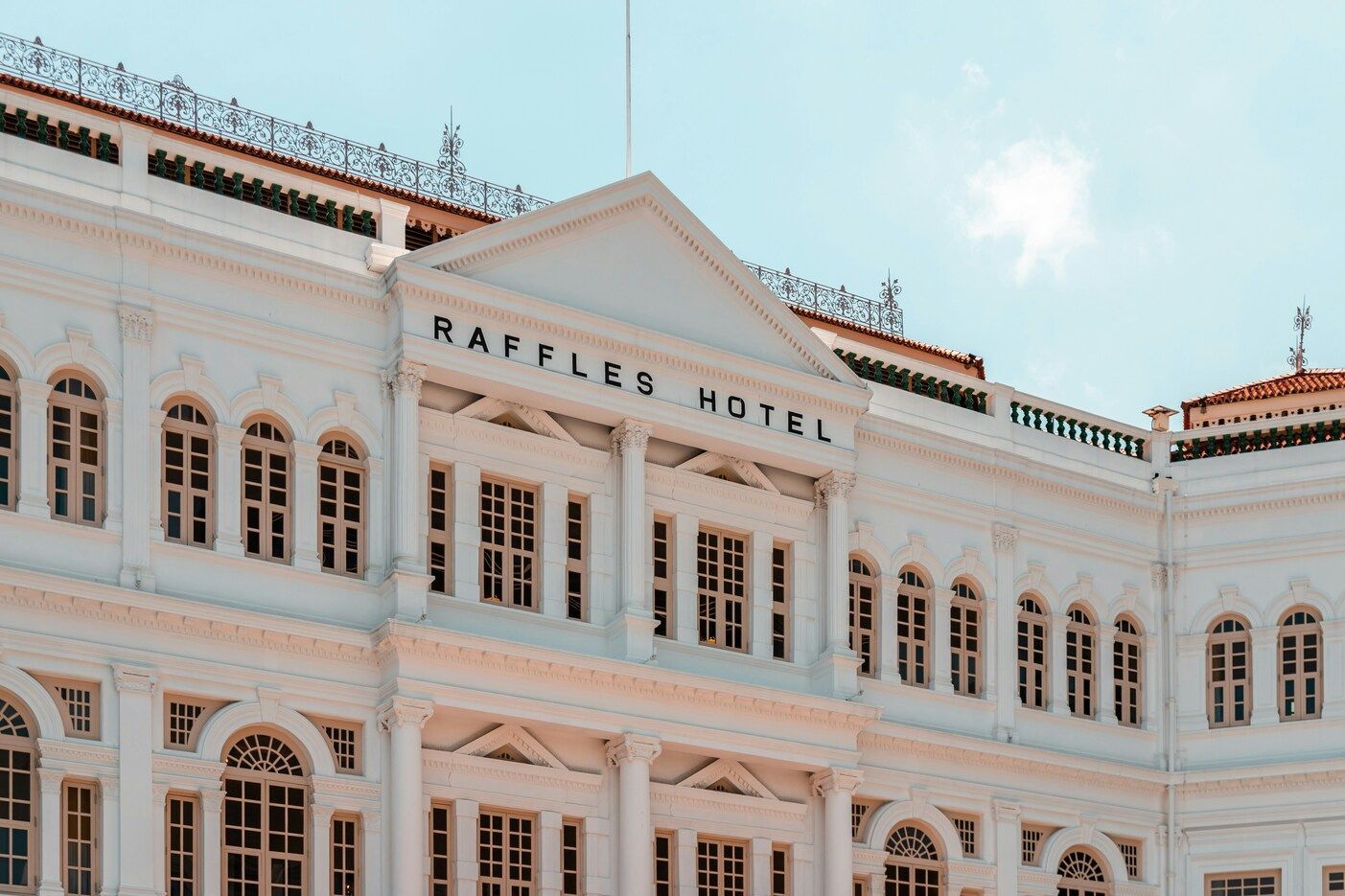
Some of Singapore's iconic hotels, such as Raffles Hotel and Marina Bay Sands, stand as symbols of the city’s luxury hospitality scene, celebrated for their cultural significance, distinctive architecture, and status as landmarks.
Marina Bay Sands: Icon of New Singapore
The architectural marvel that is Marina Bay Sands represents more than just a luxury hotel. As a featured highlight of Singapore's luxury offerings, it stands out among the city's most iconic attractions. Having arranged countless stays in the world’s most exclusive properties, I can confidently say the integrated resort concept here—combining accommodation, dining, entertainment, and business facilities—rivals anything found elsewhere. The infinity pool, often dismissed by locals as “just for tourists,” offers a perspective of Singapore that paradoxically feels both foreign and intimately familiar.
Raffles Hotel: Timeless Elegance
While international luxury often embraces the contemporary, Raffles Hotel reminds me that Singapore’s approach to premium experiences is anchored in heritage, storytelling, and the unique story woven into its very walls. After experiencing historic properties around the world, I’ve come to appreciate how Raffles balances preservation with modern expectations—something I took for granted before experiencing the varying approaches to hospitality traditions globally.
Orchard Road: Singapore's Iconic Shopping and Cultural Hub
Orchard Road is practically synonymous with Singapore’s vibrant city life, offering a dynamic blend of shopping, art, and entertainment. This famous boulevard is not only a paradise for those looking to spend money on luxury brands and local boutiques but also a cultural hotspot where art installations and exhibitions frequently grace public spaces. Visitors are encouraged to explore beyond the malls and discover galleries and street art that add depth to the shopping experience.
Tourists can also claim a GST refund on purchases over a certain amount, making shopping on Orchard Road even more attractive.
When planning a visit to Orchard Road, it’s wise to consider the weather and bring an umbrella, as Singapore’s tropical climate can bring sudden showers.
Families traveling with kids will find plenty of attractions and kid-friendly spaces, making it a suitable destination for all ages. For those who enjoy writing or simply people-watching, numerous cafes along Orchard Road provide cozy spots to relax and communicate with locals or fellow travelers.
If you’re on the search for a quintessential Singapore experience, Orchard Road combines the best of commerce, culture, and community in one bustling stretch of the Lion City.
Hidden Neighborhoods: Beyond the Guidebooks
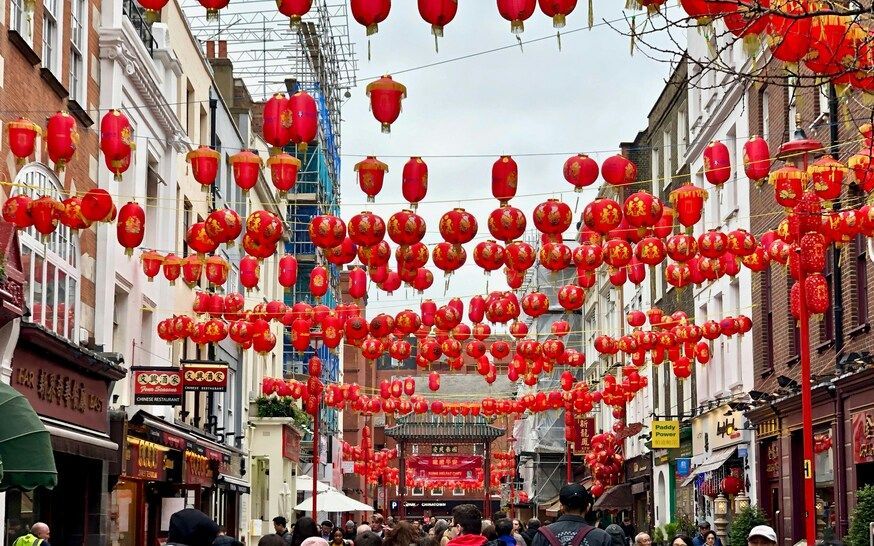
My profession has taught me to look beyond obvious attractions to find authentic experiences for my employer. This skill now transforms how I explore my own city. Exploring neighborhoods like Chinatown, a vibrant and historically significant area known for its bustling markets, temples, and rich cultural heritage, is a great way to discover authentic local experiences.
Tiong Bahru: Singapore's First Hipster Enclave
What I once saw as simply "old apartments" in Tiong Bahru, I now recognize as an architectural treasure—Singapore's first urban planning experiment, now transformed into a haven for independent bookstores, artisanal bakeries, and thoughtful cafés.
The appreciation for historical preservation I developed while arranging stays in repurposed heritage buildings across Europe helps me see this neighborhood with renewed appreciation.
Joo Chiat and Katong: Peranakan Heritage
The colorful shophouses and rich Peranakan culture of Joo Chiat offer an immersive cultural experience that rivals heritage districts I’ve visited worldwide. The area’s vibrant atmosphere is also deeply influenced by Malay history and heritage, reflected in local cuisine, architecture, and community traditions.
Having arranged cultural experiences for my boss in cities from Kyoto to London, I now approach Singapore’s cultural enclaves with the same curatorial eye, finding narrative threads that connect architecture, cuisine, and local lifestyles.
Dining Experiences: From Hawker Centers to Fine Dining
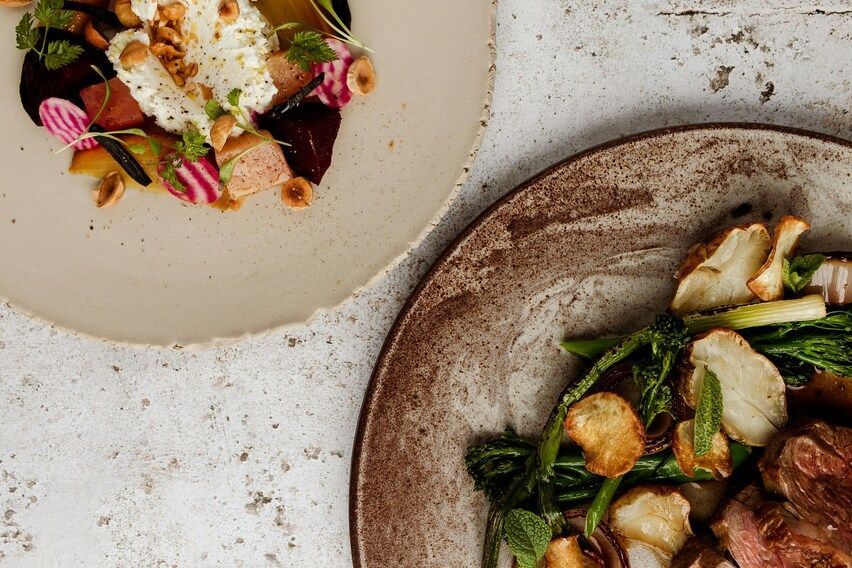
Eat your way through Singapore’s celebrated food scene—eating is central to the Singapore experience, with a wide variety of local dishes to try at hawker centers and restaurants.
Tipping is not customary in Singapore’s restaurants, so visitors do not need to worry about leaving a tip.
Years of securing reservations at Michelin-starred restaurants and discovering hole-in-the-wall gems across continents have given me a comprehensive framework for evaluating culinary experiences.
Alongside the diverse local dishes, you’ll find a range of drinks to enjoy, from safe drinking water to popular local beverages and cocktails at iconic bars.
Hawker Centers: Singapore's Culinary Soul
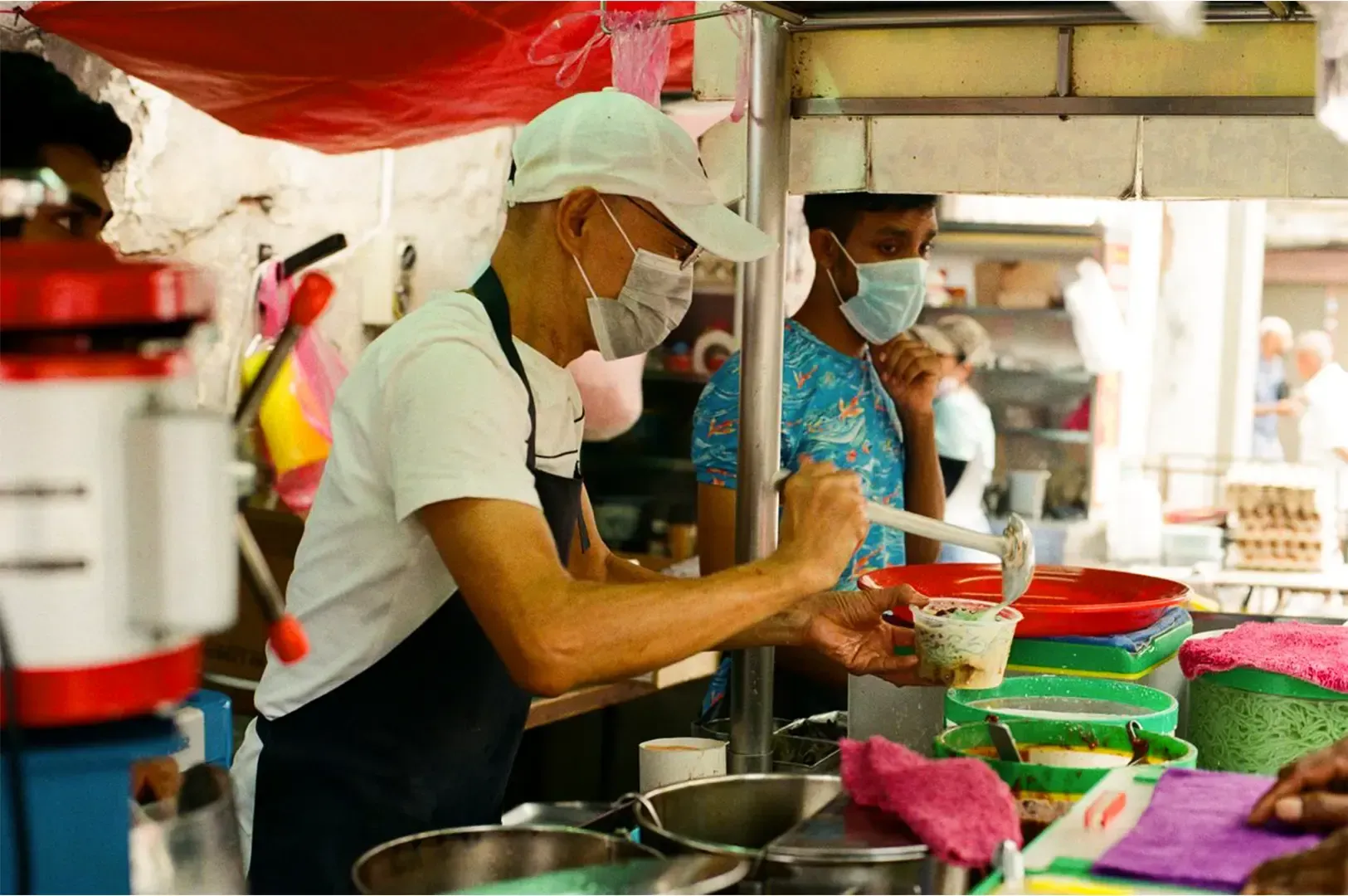
Before my global travels, I viewed hawker centers simply as convenient, affordable dining options. Now, I recognize them as Singapore's most democratic and authentic culinary institutions. The specialized mastery at stalls like Hill Street Tai Hwa Pork Noodle or Tian Tian Hainanese Chicken Rice rivals the dedication to craft I've witnessed in Japan's shokunin traditions or France's centuries-old boulangeries.
The Maxwell Road Experience
Maxwell Road Hawker Centre exemplifies Singapore’s approach to culinary excellence without pretension. Visitors can easily purchase affordable and delicious meals from a wide variety of food stalls, making it a convenient destination for both locals and tourists.
The careful technique behind each plate of chicken rice or bowl of fish head curry reveals Singapore’s true luxury: accessible excellence. Having navigated exclusive dining scenes worldwide, I now appreciate how extraordinary this democratic approach to gastronomy truly is.
Odette and Les Amis: Singapore on the World Stage
Conversely, Singapore’s fine dining establishments now appear to me not as isolated luxury experiences but as part of a global conversation, with many recognized among the world's best. Chef Julien Royer’s Odette doesn’t simply emulate French techniques—it reinterprets them through a Singaporean lens, creating something uniquely representative of our city’s position at the crossroads of East and West.
Singapore is also home to world-class bars, such as the iconic Atlas Bar and the historic Long Bar, which complement its fine dining scene and contribute to its vibrant nightlife. After experiencing how local ingredients and traditions inform high gastronomy in cities from Copenhagen to Tokyo, I recognize the sophisticated cultural dialogue happening on these plates.
The Intangible Singapore: Efficiency as Luxury
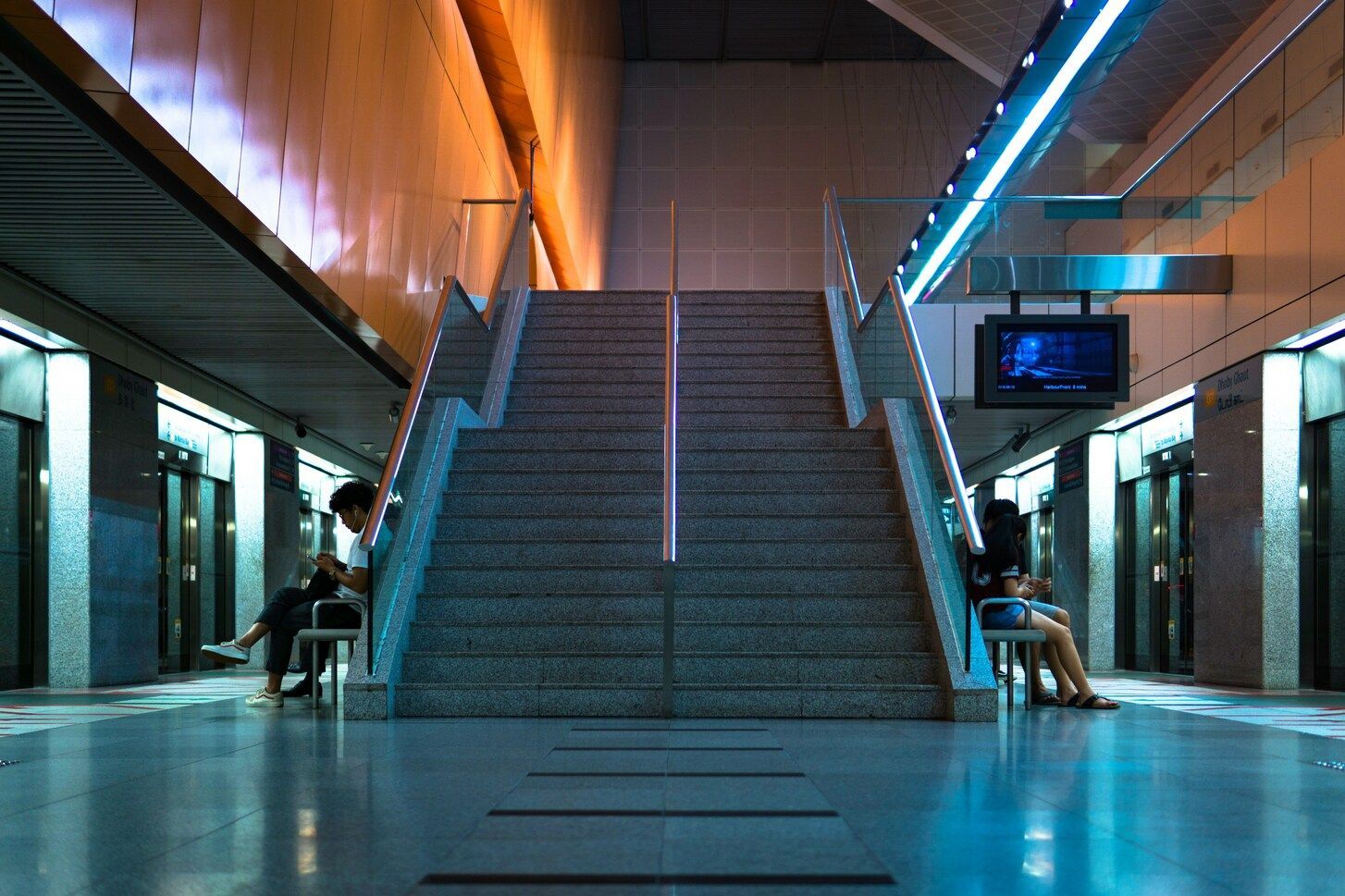
Perhaps the most profound shift in my perspective comes in appreciating what Singapore offers that remains unmatched globally: frictionless living. Singapore's strong focus on public health plays a key role in its reputation for efficiency and safety, ensuring a high standard of well-being for residents and visitors alike.
The Luxury of Safety
After navigating security concerns across various global cities, Singapore's safety now registers as a genuine luxury. The ability to walk anywhere, anytime—whether through the manicured gardens of Dempsey Hill at dusk or the vibrant streets of Geylang past midnight—represents a freedom that many international travelers never experience elsewhere.
Transportation Excellence
The MRT system, once simply my daily commute, now stands revealed as one of the world’s most efficient public transportation networks. With widespread access to mobile data and free Wi-Fi hotspots throughout the city, travelers can easily use navigation apps and real-time transit information to move around Singapore efficiently.
Having endured delayed trains in London, negotiated complex subway changes in Tokyo, and waited for unreliable buses in various European cities, I now board Singapore’s punctual, immaculate trains with newfound gratitude.
Digital Singapore: The Connected City
My international work has also highlighted Singapore's digital infrastructure as exceptional. From seamless mobile payments to integrated government services, the technological ecosystem that Singaporeans take for granted represents an advanced approach to urban living that many global cities still aspire toward.
The Emotional Landscape: Home Through New Eyes
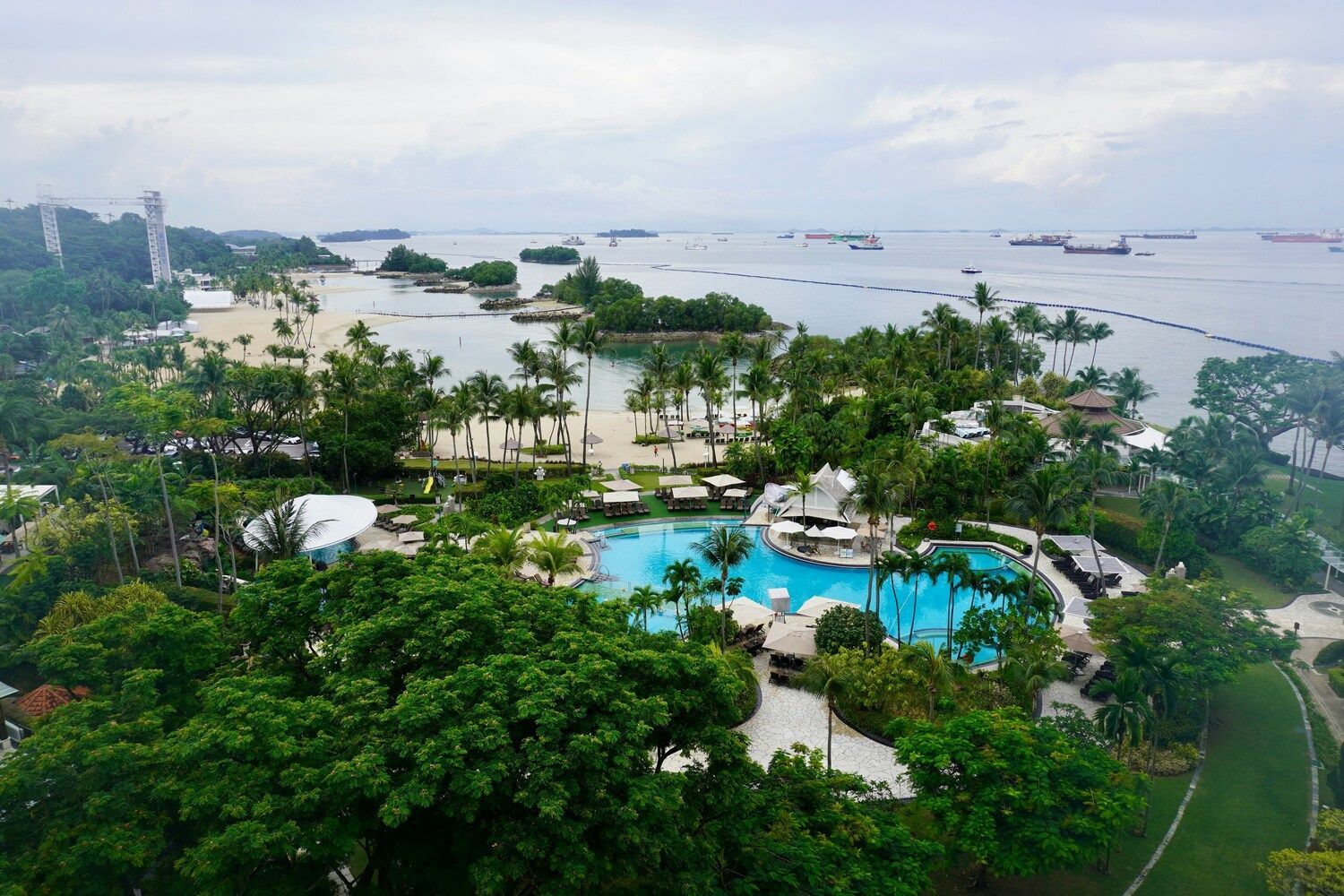
Beyond physical spaces and experiences, returning to Singapore repeatedly has mapped an emotional geography—places that carry personal significance now layered with global perspective. Personal and collective stories further enrich this emotional landscape, weaving together memories, travel news, and shared experiences that deepen the connection to Singapore.
East Coast Park: Universal Rituals
What once was simply “the beach” now represents something more profound. Watching families gather for weekend barbecues along East Coast Park mirrors similar scenes I’ve witnessed along Barcelona’s shoreline or Sydney’s coastal paths—a reminder that certain human rituals transcend cultural differences. Many families spend a week or weekends enjoying the variety of activities at East Coast Park, making the most of their time together in this vibrant setting.
The Rain Tree Perspective
Singapore’s towering rain trees, which once formed the simple backdrop of my childhood, now stand as living monuments to the city’s commitment to being a “garden city” long before urban greening became a global movement. The magical atmosphere created by these rain trees transforms ordinary streets into enchanting green corridors. After witnessing how cities worldwide struggle to integrate nature into urban environments, Singapore’s lush canopy appears as visionary urban planning rather than simply “trees by the roadside.”
Conclusion: The Privilege of Dual Perspective
This journey between local and global perspectives has gifted me something precious: the ability to appreciate Singapore simultaneously as both insider and outsider. The seamless efficiency, cultural complexity, and relentless innovation that characterize my homeland now register not simply as familiar features but as exceptional achievements when measured against global standards.
Each trip to Singapore offers new perspectives, revealing fresh layers of the city with every visit. The more time you spend in Singapore, the deeper your appreciation grows for its unique blend of tradition and modernity.
Perhaps this is the ultimate privilege of the traveling assistant’s life—gaining the distance necessary to see home clearly, while maintaining the intimate knowledge that comes from belonging. Singapore continues to evolve, as do I, and each return offers new discoveries in this dynamic relationship between a wandering citizen and their ever-changing homeland.
Through this global-local lens, Singapore reveals itself not simply as a convenient base or a nostalgic hometown, but as a remarkable experiment in creating a city that balances efficiency with soul, innovation with heritage, and international standards with distinctly local character.
It is, in many ways, the perfect embodiment of what I strive for professionally—bridging worlds while maintaining authenticity, and delivering exceptional experiences without sacrificing warmth.
For more stories that celebrate the art of hospitality, visit
Travelling Assistant or read
Room Service Reimagined to explore private dining experiences in luxury suites.
Recent Posts