When Privacy Has a Floor Plan: Designing a Stay Around Discretion

August 31, 2026 |J.C. Yue

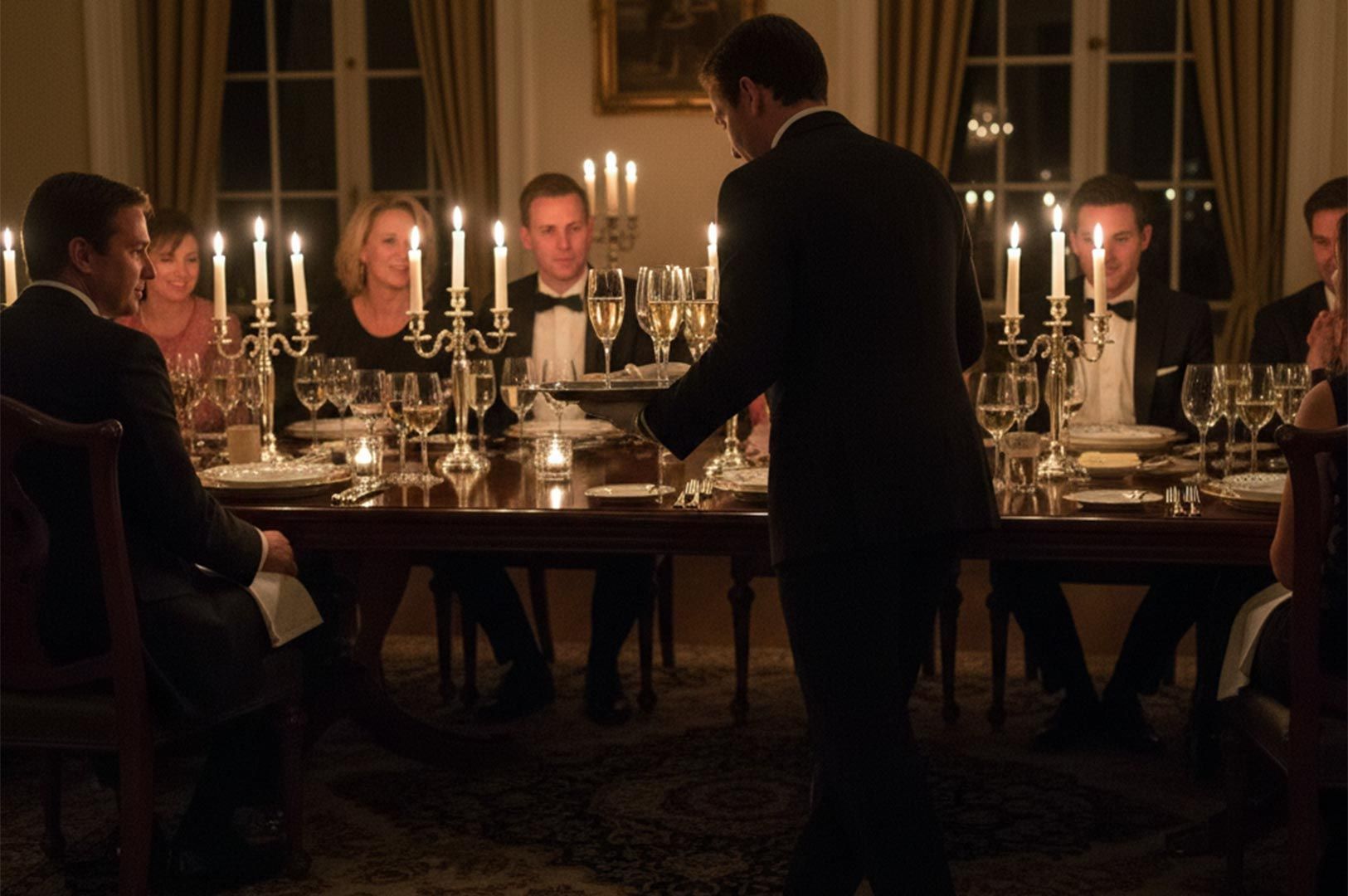
A formal candlelit dinner party in an upscale dining room, with a waiter in a suit serving champagne to guests seated at a long wooden table.

The Joy of Discovery

The first thing I check in any suite is not the view. It's the door.

Where it sits. What it faces. Whether someone standing in the corridor can see into the room the moment it opens. I've learned to read these things without thinking, the way you learn the sound of your own front gate.

After a decade of accompanying my employer across more than forty destinations, I've come to understand something most travelers never consider. Privacy is not a feeling a hotel gives you. It's a thing that is built — or isn't — into the walls. You can promise discretion in a brochure. But the floor plan either delivers it or quietly betrays it, every single time.

Here's what I've learned about designing a stay around real privacy, from the quiet end of too many corridors.


What Privacy Actually Means in Luxury Travel

Most people confuse privacy with luxury. They aren't the same thing.

A grand suite with a marble bath and a sweeping view can still leave you exposed — to sightlines, to noise, to the constant low traffic of staff and strangers. True privacy isn't about how much you're given. It's about how little you're seen.


The Difference Between Alone and Unseen

You can be alone in a room and still feel watched.

I've stood in suites where the housekeeping route passed the main door every twenty minutes, where the window looked straight into the room across the courtyard, where the walls carried every word from next door. Space, but no shelter.

The concept of privacy has always been less about isolation than about control — the freedom to decide who sees you, and when. A good room gives you that control. A poor one takes it away, no matter how many square metres it holds.

How the Floor Plan Either Protects You or Exposes You

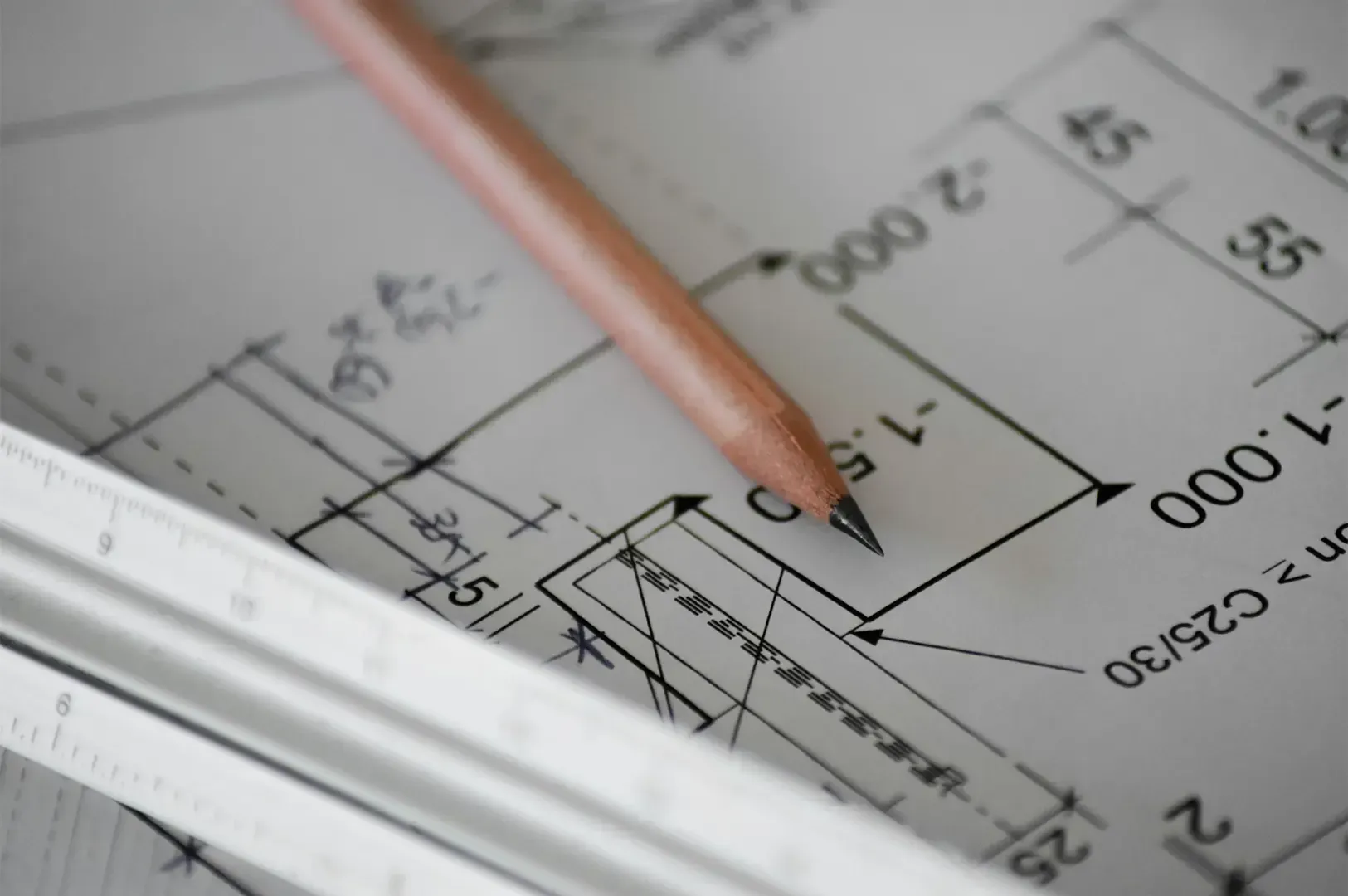
Extreme close up shot of a floor plan on white paper with a pencil and a ruler on top.

Before I approve any property, I walk it the way my employer will actually live in it. And the floor plan tells me everything.


The Path From Door to Bed

The first thing I trace is the line of sight from the corridor.

When the door opens, what can a passing stranger see? In a well-designed suite, the answer is almost nothing — an entry hall, a turn, a wall that shields the private rooms. The best layouts make you disappear the moment the door closes behind you.

The worst ones open straight onto the bed. I've seen suites where a delivery at breakfast meant a clear view of someone still asleep. No thread count fixes that.


Where the Windows Look

Layout governs sightlines from outside, too.

A bedroom window facing an opposite wing. A bathroom with frosted glass, or none. A terrace overlooked by the floor above. These are the quiet failures that no listing photo will ever show you, because they can only be felt from inside the room.

Pro tip: ask for a floor plan before you book a high-value stay, not just photographs. The photos sell the view. The plan tells the truth.

Private Entrances and Dedicated Lifts

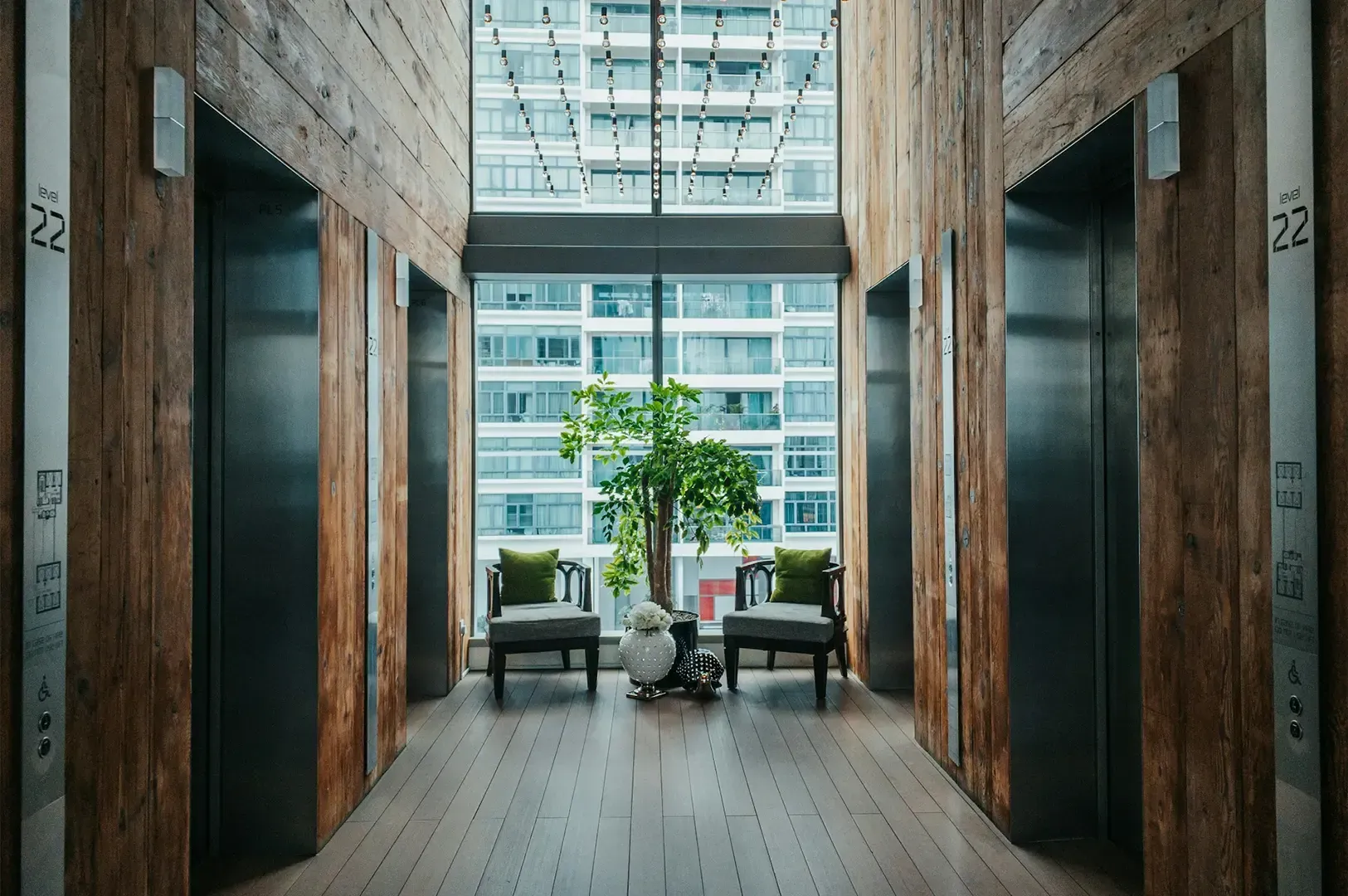
Wide shot view of four lifts in a room with wooden finish, decorated with chairs and plants with a window giving view to a high-rise building behind.

For the people I work for, the arrival is where privacy is won or lost.


The Value of a Separate Threshold

A private entrance changes everything. No lobby crossing. No lingering in a public space while luggage is sorted and eyes drift over.

The finest properties I've arranged offer a discreet side door, a private motor court, or a dedicated lift that opens directly into the suite. The Forbes Travel Guide standards reward exactly these details, because they understand that the moment of arrival is the most exposed part of any stay.


The Lift That Answers to No One Else

A dedicated lift is a small thing that carries enormous weight.

It means no shared ride, no stranger noting which floor you press, no pause on someone else's landing. In the best towers I've seen, the lift requires the suite's own key to reach its floor at all. That single mechanism does more for discretion than any amount of grandeur in the room itself.

The Human Layer: Staff Training and Discretion

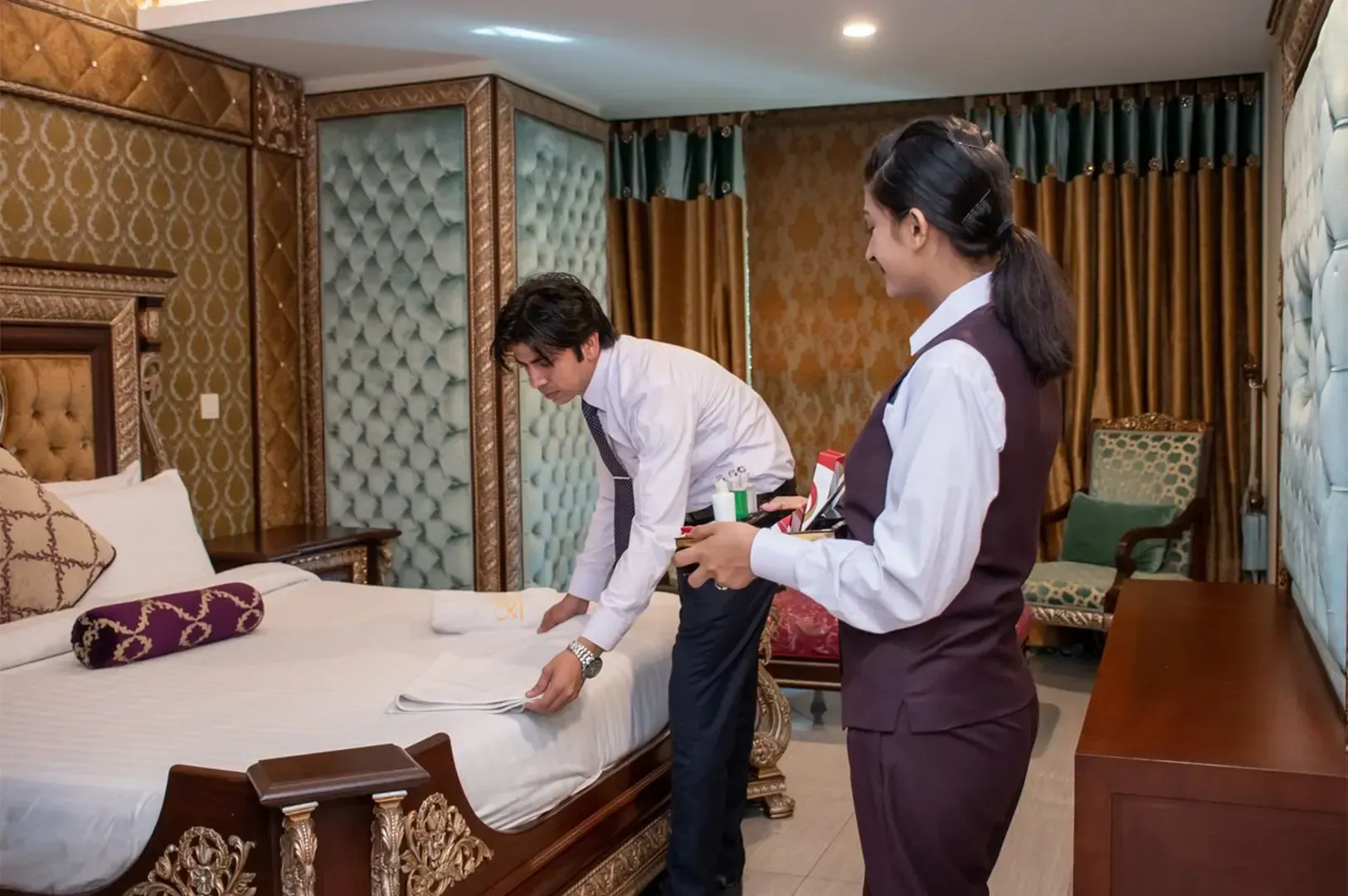
A male and female hotel staff preparing a bed. holding sheets and a tray in a room with luxurious brown and white finishing.

A perfect floor plan can still be undone by the wrong staff. And a modest room can feel like a sanctuary in the right hands.


Service That Knows When to Disappear

The best discretion I've witnessed lived in the pauses — the staff who sensed a closed door meant not now and simply melted away.

I've watched a butler leave a tray outside without a knock, because he'd read the day correctly. Real service isn't constant presence. It's knowing exactly when to be absent. That instinct can't be built into a wall. It has to be trained, or it has to be felt.


The Names That Are Never Repeated

True discretion also means silence about who stays where.

The properties I trust most train their teams never to confirm a guest's presence, never to repeat a name, never to let a knowing look slip. This is the invisible architecture of privacy — as important as any private lift. The Michelin Guide has begun recognising hotels partly on this quality of considered, unintrusive service, and rightly so.


Cultural Differences in Privacy

What discretion looks like changes from place to place. The instinct behind it does not.


Tokyo: Privacy as Reverence

In Tokyo, privacy is woven into the design itself.

The genkan entrance, the paper screens that soften rather than block, the principle of omotenashi that anticipates a need before you voice it — all of it protects your space without ever making you feel guarded. Japanese design treats privacy as a form of respect, not a barrier. The care is total, and almost invisible.


Singapore: Discretion Behind the Facade

Back home in Singapore, the best privacy often hides behind an unremarkable exterior.

A restored shophouse with a quiet inner courtyard. A tower suite reached by a lift that stops nowhere else. We're a small island, and discretion here is practical — the art of being unseen in a place where everyone is close.


Amalfi: Privacy Carved Into the Cliff

On the Amalfi Coast, the landscape does the work.

The villas that stay with me were built into the rock, their terraces angled away from every neighbouring view, reachable only by a private path or a small lift down the cliff. Privacy there is geographical — you're alone because the mountain decided it, and the Italian tourism board will point you to the region, though never to the quiet houses themselves.


London: The Discretion of the Unmarked Door

In London, privacy wears restraint.

A townhouse with no sign. A members' entrance down a side street. A staff who assume, without being told, that you'd rather not be noticed. The city that invented the private club also perfected the plain door that protects everything behind it.

The Vetting I Actually Do

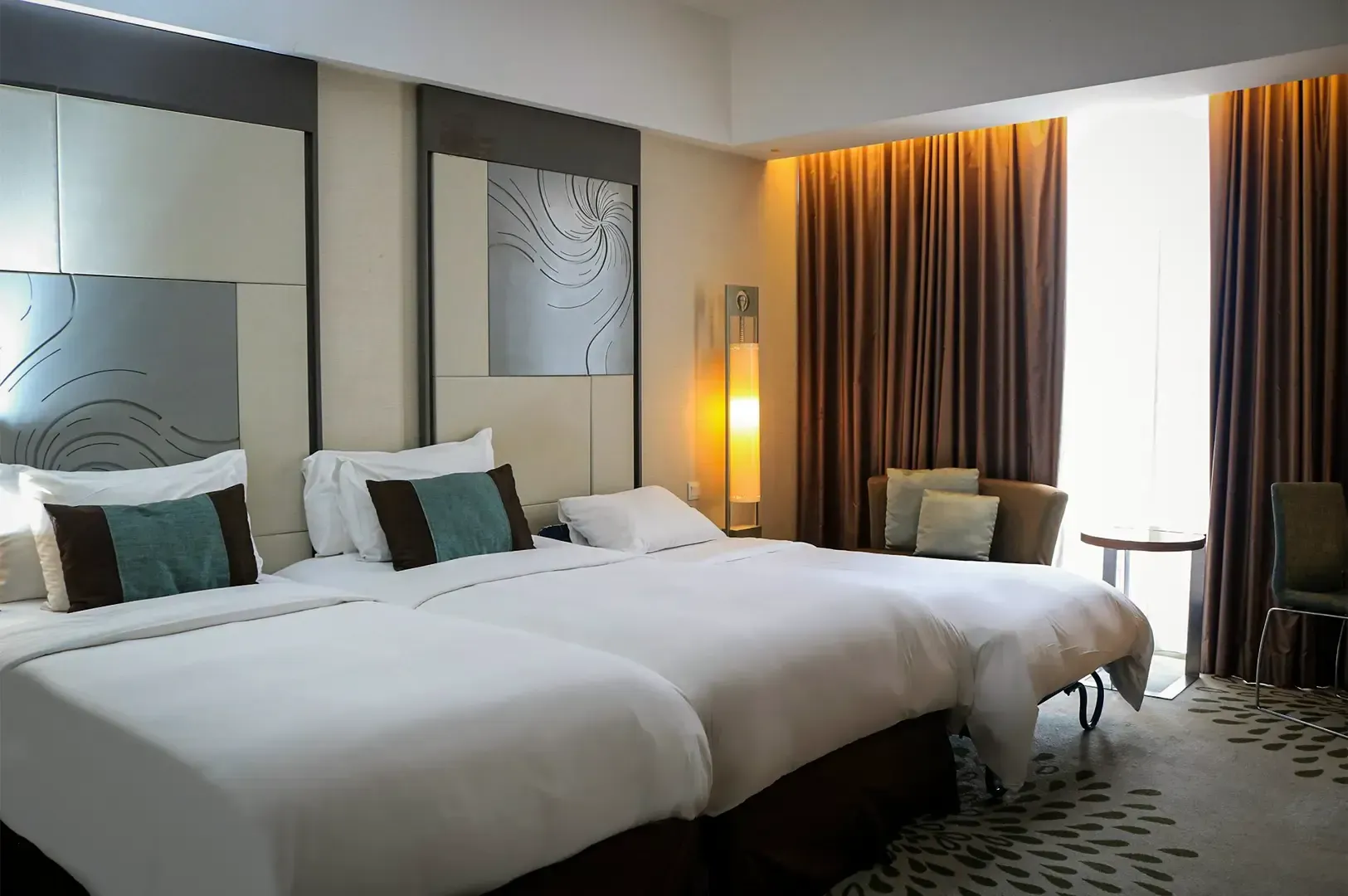
Wide angle shot of a hotel room with two white beds and curtains parted at the middle, with walls and floor decorated by modern designs and patterns.

After enough years, my checklist has almost nothing to do with grandeur.


Walking the Room as a Resident, Not a Guest

I arrive early and live the room before my employer does.

I open the door and check the sightline. I stand at each window and trace what's visible, and from where. I listen for the neighbour's television through the wall. I follow the housekeeping route to see how often it passes the door. The mechanics of privacy are unglamorous, and they matter more than the marble.


The Questions I Ask That Nobody Expects

Before I approve a stay, I ask the things the sales team never rehearse for:

  • Where does the service corridor run, and who uses it?
  • Can the lift reach this floor without the suite's key?
  • What overlooks the terrace from above?
  • How does the staff handle a guest who wishes to remain unregistered?

The answers, or the hesitation before them, tell me everything. A property confident in its discretion answers without flinching.


Common Mistakes Travelers Make About Privacy

Even seasoned travelers get this wrong. Here's what to avoid.


Booking the View Over the Layout

The corner suite with the famous view is often the most exposed — glass on two sides, overlooked by the floors above.

A quieter room, set into the building's core, will almost always protect you better. The view is what you photograph. The layout is what you live in.


Assuming Price Buys Discretion

The most expensive suite is not automatically the most private.

I've seen eye-wateringly priced rooms open straight onto a busy lift landing, and modest ones tucked down a silent, single-door corridor. Price and privacy travel together far less often than people assume. You have to check for yourself.


A Quick Framework for Your Next Stay

If you value discretion, design your stay around it from the start.

  • Ask for the floor plan, not just the photos
  • Trace the door's sightline — what shows when it opens?
  • Check the arrival: private entrance, dedicated lift, discreet motor court
  • Map the windows and what overlooks them
  • Ask how staff handle names and presence
  • Choose the core over the corner when in doubt

Run through this before you commit, and you'll feel the difference the moment you close the door.


What Discretion Really Buys You

After forty destinations, I've stopped being impressed by the grand gesture and started trusting the quiet one.

The suites that stayed with me were never the loudest. They were the ones where the door faced a wall, the lift answered only to us, and the staff knew, without being told, when to leave the tray and go. Privacy, done properly, is something you never notice — because nothing ever intrudes to remind you it might be missing.

That's the real luxury. Not the marble, not the view, but the simple, engineered freedom to be entirely unobserved. It lives in the floor plan, in the training, in a hundred decisions made long before you arrive.

So the next time you book a stay that matters, look past the view. Ask where the door faces. Ask who can see you, and when. Design the trip around discretion, and you'll find the kind of quiet that money alone can't promise — the quiet of a place built, from the walls in, to leave you alone.

For more on the fine line between being protected and being cut off, read Privacy vs. Isolation in Luxury Travel.

Singapore: Home Behind the Facade

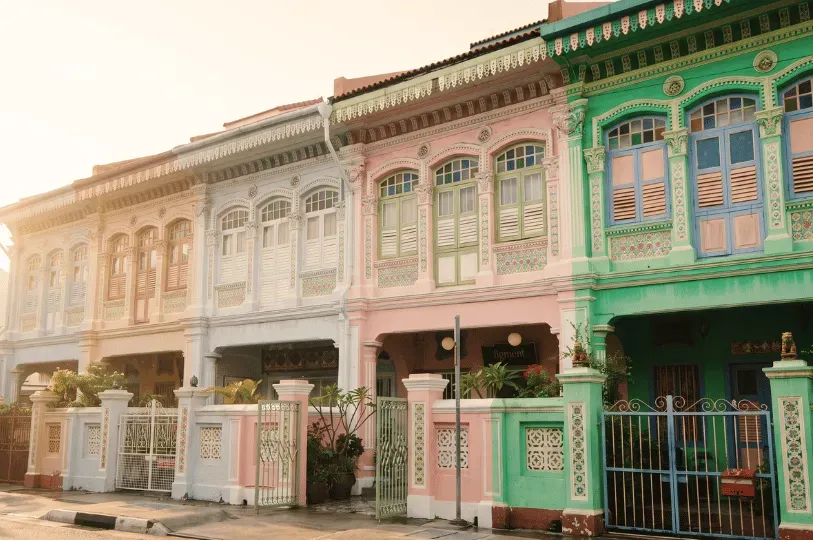
A row of ornate, pastel-colored heritage shophouses in shades of light blue, pink, and vibrant green. The traditional facades are decorated with intricate ceramic tiles, carved wooden window shutters, detailed plasterwork, and decorative metal front gates.

Back home in Singapore, some of the most telling residences hide behind ordinary faces.

A restored shophouse where the family kept the original floor tiles, chips and all. A black-and-white bungalow where the ceiling fans still turn because someone loved the sound. These are the houses that chose memory over renovation — and they're the ones I trust.


The Details That Warn You

Not every small detail is comforting. Some are quiet warnings.


The Signs a House Is Only Pretending

I've learned to notice when a residence is a stage rather than a home:

  • Everything matches too perfectly — no history, no human wear
  • The books are decorative — chosen for spine color, never opened
  • Empty cupboards and a bare fridge — nobody actually lives here
  • A guest book that's suspiciously new — or missing entirely

When a place has been stripped of every human trace to look "luxurious," it usually means the luxury is the only thing on offer. A house with no memory can only ever be a very expensive box.


The Practical Insider Check

Before I approve any private residence luxury stay, I walk it the way a resident would live it.

I open the guest book. I sit in the worn chair. I check whether the kitchen has been cooked in or only cleaned. I look for the one detail the owner couldn't bring themselves to remove. That single stubborn detail is usually where the whole character of the house is hiding.


Why This Way of Seeing Matters

After enough houses, you stop being impressed by the grand gesture and start trusting the small honest one.

The UNESCO World Heritage districts are full of buildings that have held families for generations, and their power was never in their scale. It was in the accumulation of small, unstaged choices — the worn stair, the chosen painting, the linen that didn't quite match. These are the marks of a place that was loved before it was rented.

For the traveler, this is the real skill of the luxury travel insider: learning to read a house through its residue, not its brochure. The photographs will always show you the view. Only the details will show you the truth.


How to Read Your Next Private Residence

The next time you step into a villa or a townhouse that costs more per night than most people earn in a week, resist the pull of the obvious.

Don't head straight for the view. Open the guest book nobody reads. Find the chair everyone secretly wants. Look at the art and ask whether someone loved it or simply ordered it. Open the fridge and meet the owner through their tastes.

What private rentals reveal, they reveal quietly. The house that keeps its small human details — the crack, the crooked photo, the mismatched sheets — is almost always the one you'll remember long after the marble has faded from memory. That, more than any listing ever promises, is the sign of a place worth returning to.

For more on the quiet complexities of caring for homes that have held generations of stories, read The Challenges of Historic Private Residences.

Share this article

Recent Posts

A hotel room with a modern Japanese style interior.
By J.C. Yue • October 12, 2026
How luxury properties create true rest — a personal assistant on luxury sleep abroad, hotel rest experiences, and the amenities that help you sleep well.
A woman laying on a white bed on her phone with the covers slightly ruffled up, bright sunlight shin
By J.C. Yue • October 8, 2026
When every hour is accounted for, and the days blur into cities you can barely name — what does it feel like to lose your own time without noticing?
A hawker vendor preparing a meal in a container with his ingredients layed out in front.
By J.C. Yue • October 6, 2026
The local table test reveals if a restaurant truly belongs to its community — honest dining signs from 40+ destinations, from Penang to Positano and home.
A calm, peaceful residential street in Bangkok lined with buildings on either side with park vehicle
By J.C. Yue • October 5, 2026
Explore Bangkok residential neighborhoods and local districts off the beaten path — hidden neighborhoods and authentic travel through the city's quiet second side.
Two people having a conversation over cups of coffee in white mugs.
By J.C. Yue • October 1, 2026
Some souvenirs collect dust. The ones worth keeping are the conversations you never planned to have — and couldn't leave behind if you tried.
Tea cups and kettle setup placed near a window with white curtains.
By J.C. Yue • September 30, 2026
When home is never one place, rituals become the anchor. A reflection on the small, quiet habits, tea, a notebook, familiar coffee, that hold you steady across forty cities and counting.
A cozy hotel room interior with parted red curtains revealing a city view outside.
By J.C. Yue • September 29, 2026
Why the hotel floor experience shapes your luxury hotel stay. A personal assistant's luxury travel tips on choosing the best floor in a hotel.
A dimly lit chef’s table with two customers waiting as the chef prepares a meal behind the counter.
By J.C. Yue • September 28, 2026
Master chef's table etiquette when sharing an intimate dining experience with strangers — a personal assistant's guide to fine dining etiquette abroad.
A group of people in front of a coffee shop glass display choosing from the selection, a red stall e
By J.C. Yue • September 24, 2026
Forty cities. Forty sets of choices. A quiet reflection on how the smallest decisions can be the ones that cost you the most.
George Town heritage shophouses in Penang, Malaysia lined up in a busy street.
By J.C. Yue • September 22, 2026
Explore Penang travel beyond George Town's heritage streets — Penang food culture, hidden gems, and the quiet rise of luxury travel Penang.
Show More