

The Early Table: Why Dining Before the Room Fills Changes the Entire Experience
September 7, 2026 |J.C. Yue

There's a moment in every restaurant that most guests never see.
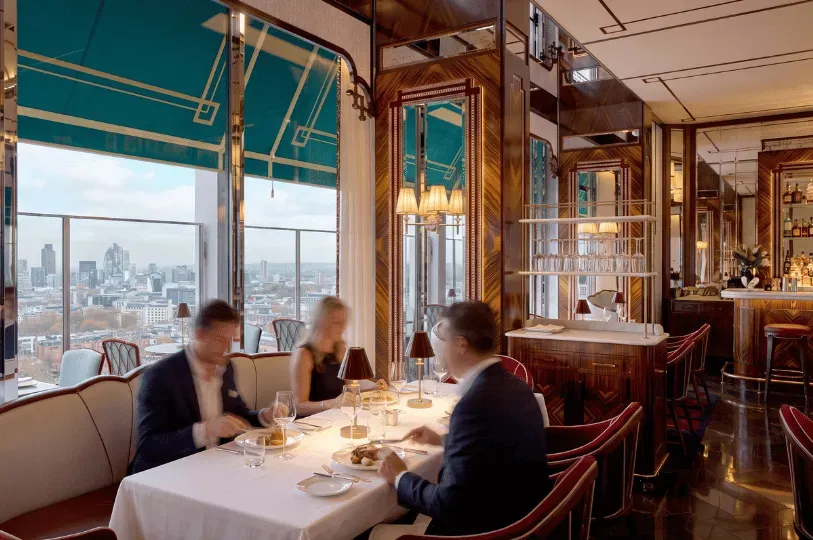
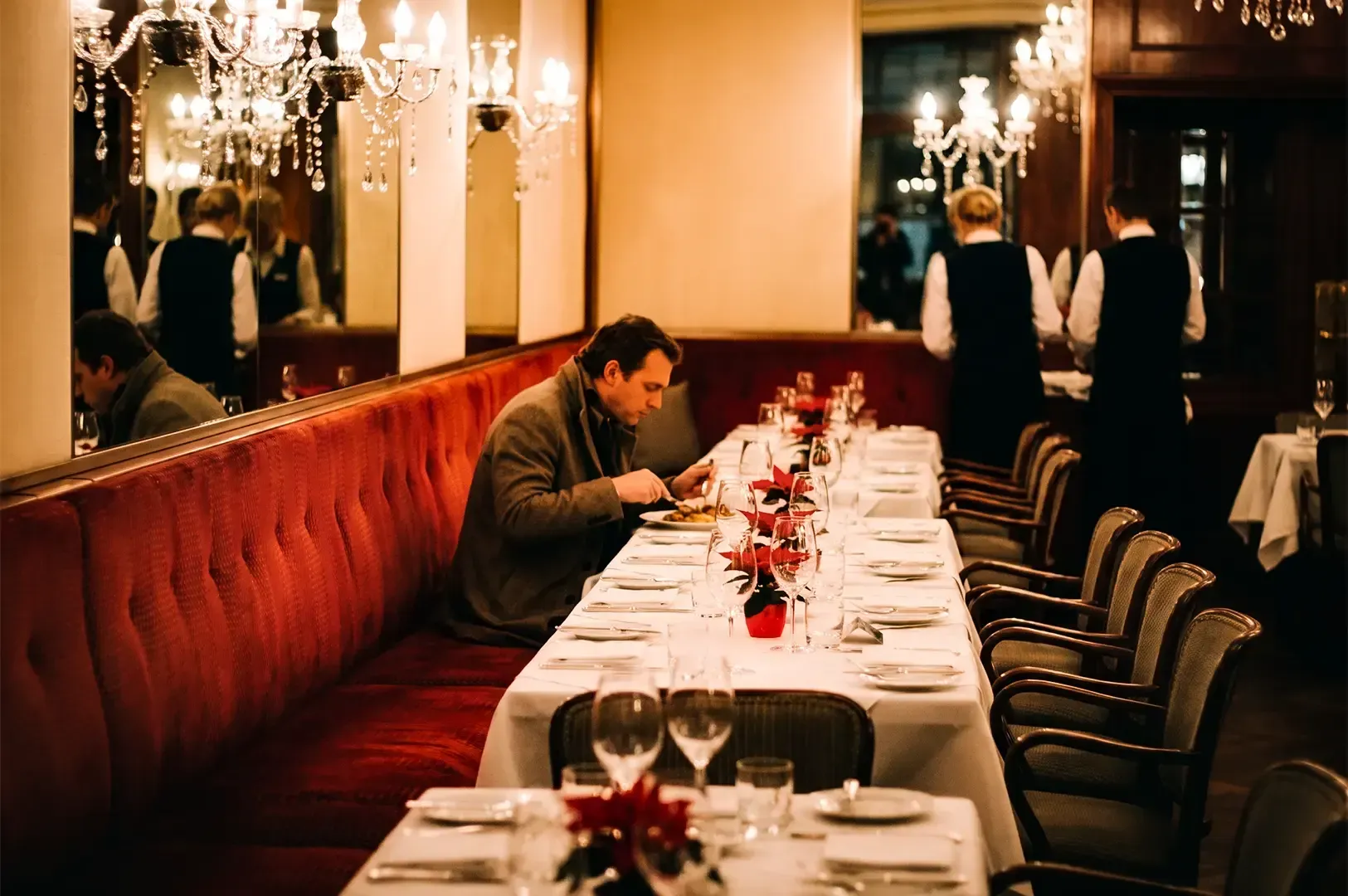
It happens about twenty minutes before the rush. The room is still half-empty. A waiter runs a cloth over a glass that's already clean. The kitchen is quiet in the way a kitchen is only quiet once — before the first ticket lands and the night takes over.
I've spent a decade arriving at that moment on purpose.
Accompanying my employer across more than forty destinations taught me many things, but one of the quieter lessons was this: the early table is a different meal entirely. Same kitchen. Same menu. Same chef. And yet everything about the early dining experience shifts when you sit before the room fills.
Here's what I've learned about luxury restaurant timing — and why the hour you book might matter as much as where.
Why the First Seating Changes Everything
The best time to dine, I've come to believe, isn't the fashionable one.
The eight o'clock slot is where the energy is. It's also where the compromises begin. A full room means a stretched kitchen, a rushed server, a sommelier splitting attention six ways. Nobody is doing anything wrong. There's simply less of them to go around.
Arrive at opening, and you catch the house at its most generous. The chef has rested. The mise en place is untouched. The first plates carry a precision the later ones can't quite hold.
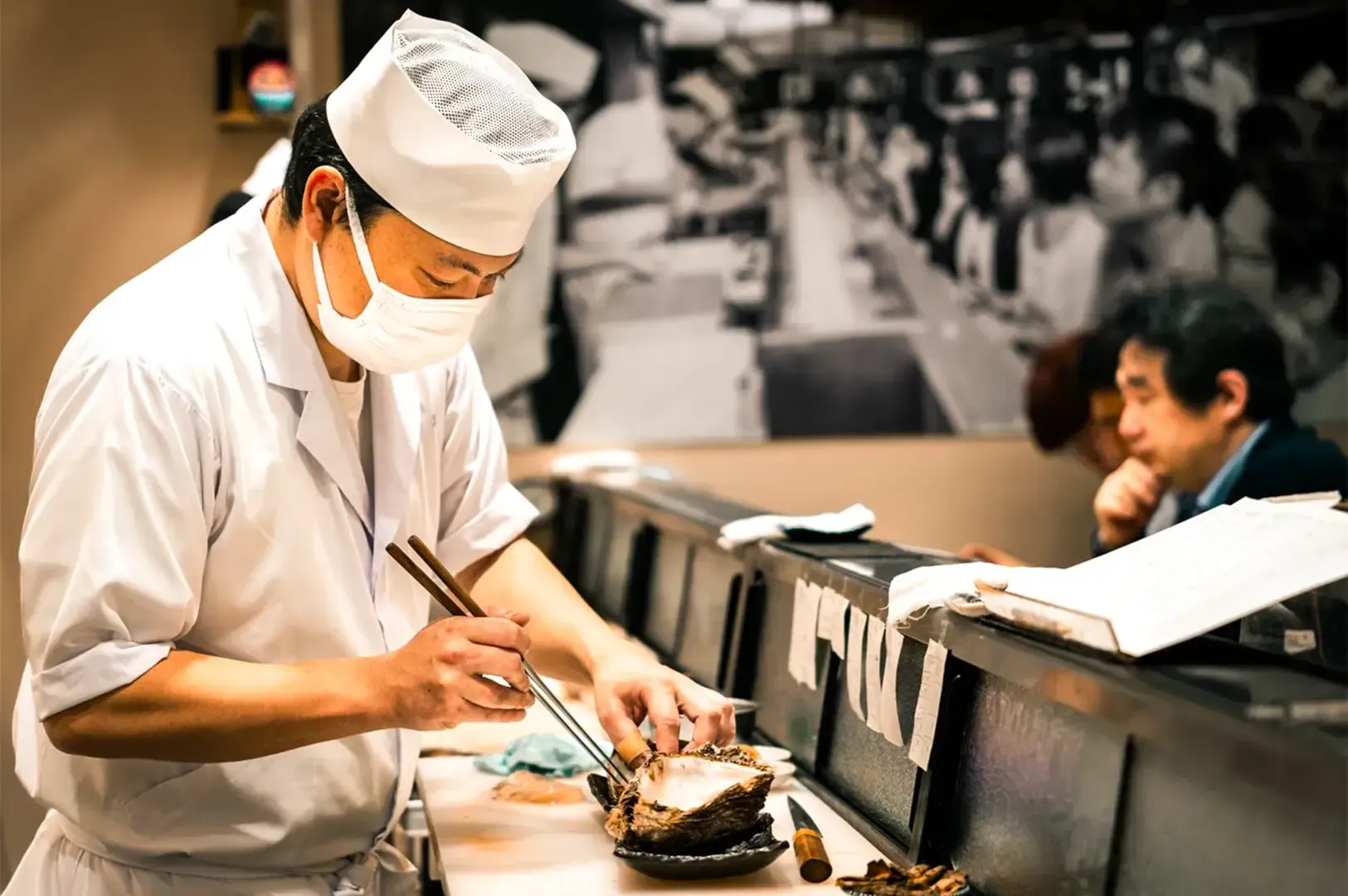
I noticed this first in Tokyo, at a counter that sat eight.
The Tokyo Counter That Taught Me to Come Early

We had the first booking of the evening. I'd arranged it that way by accident, chasing an early flight the next morning.
The chef greeted us before the room woke up. He talked. He explained the aji, the uni, the reasoning behind the sequence. A quiet counter buys you the chef's attention — and his attention is the whole meal.
By the time the later guests arrived, he'd gone silent, focused, hands moving fast. Same food. Less conversation. The fine dining atmosphere had tightened into something efficient and impressive, but distant.
We'd had the version nobody else would get that night. If you're curious about how these rooms guard their calm, the piece on the art of Tokyo privacy and luxury sits close to this idea.
What the Early Room Sounds Like
People underestimate sound.
A full dining room is a wall of it — cutlery, laughter, the scrape of chairs, the hum you stop noticing until it's gone. The early room has none of that yet. You can actually hear the food: the crack of a crust, the sizzle carried from the pass, the low note of a poured wine.
Japan understands this instinctively. The whole philosophy of washoku, documented well by the
Japan National Tourism Organization, treats stillness as an ingredient. Silence isn't empty. It's part of the plate.
The Light Nobody Talks About

Then there's the light.
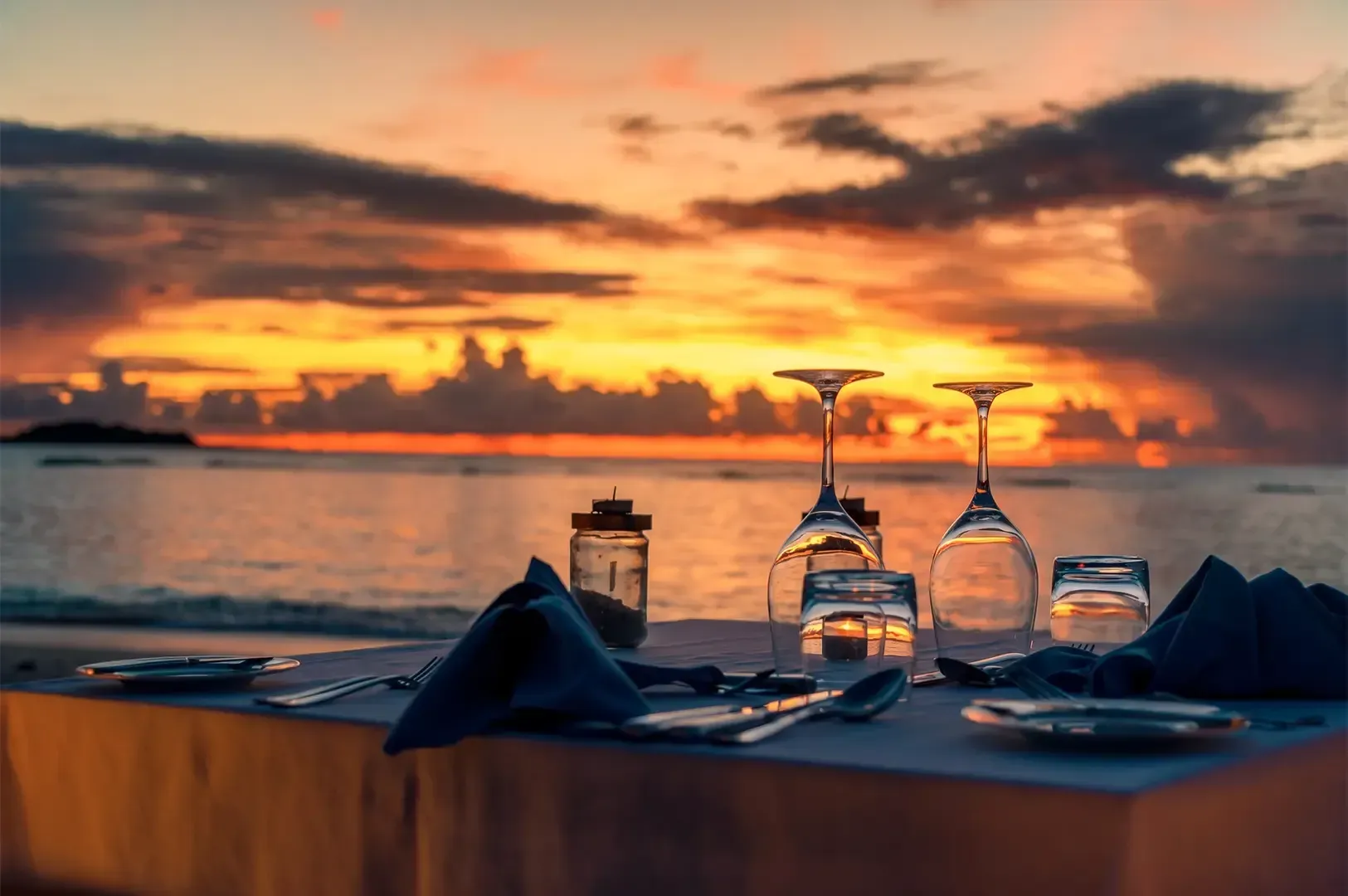
Book early enough in a coastal town and you eat inside the golden hour. I've watched the sun drop over the water from a restaurant seating experience in Positano that no lamp could ever imitate.
The same table, three hours later, sits under warm electric bulbs — lovely, but ordinary. The early table steals the daylight. On the Amalfi Coast, this is the difference between a nice dinner and one you carry home for years. The Amalfi Coast at dusk asks nothing of a photograph. You just watch.
Service Before the Storm
Here's the behind-the-scenes truth I've collected over the years.
Waiters are people. At the start of a shift they're fresh, patient, quietly proud of the room they've set. By the third seating, they're managing chaos with grace — but they're managing it.
The early guest gets the version of service the staff actually trained for. The unhurried explanation. The extra minute. The genuine recommendation instead of the fast one. I've written before about the unsung heroes of fine dining service, and I stand by it: their best work happens before the pressure lands.
A Small Note on Tables
There's a practical bonus, too.
Book the first seating and you often get your pick of tables. The corner. The window. The quiet nook away from the kitchen door.
The early booking wins the best seat in the house without a single favor asked.
The Kitchen at Its Freshest

Ask any chef when the produce is best and they'll tell you: the beginning.
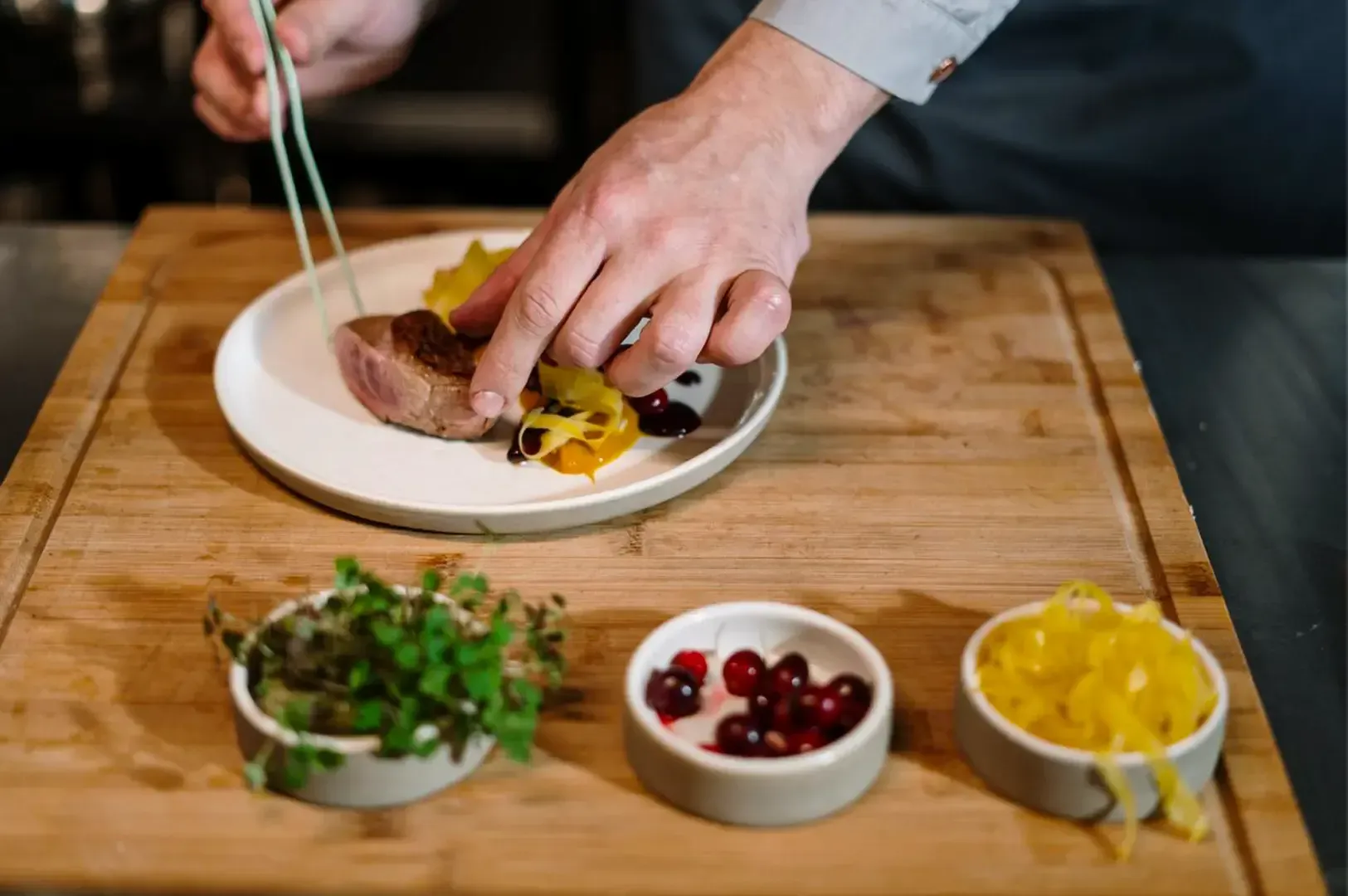
The first plates come from ingredients handled least, held shortest, plated with the most care. As the night runs on, even the finest kitchens ration. Freshness has a timeline, and the early table sits at the top of it.
This is truest with seafood, where hours matter and heat is the enemy. The Michelin Guide's Japanese picks in Singapore hint at this quietly — the finest counters open for dinner only, so the day belongs entirely to preparation.
Cultural Rhythms Around the World
Timing means different things in different places, and part of the joy is learning each one.
Southern Europe Runs Late
In Spain and Italy, the early table is almost countercultural. Locals eat at nine or ten. The concept of Spanish cuisine is built around a later clock, and arriving at seven marks you plainly as a visitor.
But there's a gift in it. The early room in Positano is yours alone — a private trattoria before the neighbourhood arrives.
Japan Rewards the Punctual
Japan flips this entirely. Reservations are precise, seatings are staggered, and arriving early is a mark of respect, not eagerness.
Singapore Eats All Day
Home is the exception that proves the rule. My city eats constantly — a hawker centre never really empties. Still, even here,
the early bowl catches the freshest broth, before the lunch queue thins the pot. The hawker culture of Singapore has its own quiet peak hours, and the regulars know them by heart.
The Case for Dining Alone Early

Some of my finest meals have been solitary ones, taken early, on the rare evenings my employer didn't need me.
There's no performance to an empty room. No table beside you to overhear. You taste more when no one's watching you taste it. The early hour makes dining alone feel natural instead of exposed — a subject I've explored in dining alone without feeling unplaced.
Practical Tips for Booking the Early Table
Enough philosophy. Here's what actually works.
Book the First Seating
Ask for the opening slot directly. Most restaurants run two or three seatings a night. The first is the least contested and the most attentive.
Tell Them You're Not Rushing
A common fear: the early table means being pushed out. Say plainly that you'd like to take your time. A good house will honour it, especially when the room is calm.
Watch the Light, Not Just the Clock
For a view, check sunset times before you book. Aim to be seated forty minutes before golden hour so you're settled when it arrives.
Ask About the Chef's Schedule
At counters, the first booking often means the chef himself, unhurried. It never hurts to ask when he's most present.
"But Won't It Feel Empty?"
This is the objection I hear most, so let me answer it honestly.
Yes, the room will be quiet. For some, that quiet reads as flat — no buzz, no energy, no sense of occasion. I understand the pull of a full house.
But an empty room isn't lifeless; it's attentive. It's the difference between a concert and a soundcheck where the musician plays only for you. If you crave crowd energy, book late. If you want the food and the people who made it, come early.
What the Early Table Really Gives You
Strip away the practical wins — the better light, the fresher plate, the calmer service — and something quieter remains.
The early table gives you presence. Room to notice. A meal that unfolds instead of racing past. In a decade of watching rooms fill and empty across the world, I've learned that the best dining isn't loud. It lingers.
A Final Thought Before You Book

The next time you reserve somewhere that matters, resist the fashionable hour.
Take the first table instead. Sit in the light. Hear the food. Let the room fill around you while you're already deep in the meal — unhurried, unwatched, fully there.
Same kitchen. Same menu. A completely different night.
That's the quiet secret of luxury restaurant timing: the best seat isn't a place on the floor plan. It's a moment on the clock, and it opens the door the instant the doors open.
For more on the hours when restaurants reveal their truest selves, read
After Hours: Where Chefs Eat When Their Own Restaurants Close.











