
Beyond Positano's Instagram Filter: The Local Trattorias Where Residents Actually Eat
February 23, 2026 |J.C. Yue

Positano is a place that seems engineered for Instagram. The cascade of pastel houses tumbling down to a sparkling sea, the iconic blue-and-white striped umbrellas, the effortlessly chic visitors sipping Aperol spritz—it’s a flawless, filtered version of la dolce vita. My boss and I have spent considerable time on the Amalfi Coast, staying in magnificent villas with views that defy belief. I’ve secured reservations at the most exclusive, see-and-be-seen restaurants, the ones with waterfront tables and price tags to match.
And while those experiences are wonderful, they are only one part of the story. After a few days of picture-perfect dining, my boss will inevitably turn to me and say, "Find me somewhere real." This is my true assignment: to look beyond the glamorous facade and discover the local trattorias in Positano and its surroundings, the places where residents actually eat. These are the spots where the food is honest, the welcome is warm, and the recipes have been passed down through generations.
This is a daunting task in a town where tourism is the main industry. The most popular restaurants are often just the ones with the best location or the biggest marketing budget. Finding authenticity requires looking up—far up—into the hills,
venturing into neighboring villages, and learning to read the subtle cues that separate a tourist trap from a treasured local gem. This is my guide to eating in Positano like you live there.
The Tourist Trap Test: What to Avoid
Before you can find the good stuff, you need to know how to spot the bad. In Positano, a prime location is often a red flag.
- The Beachfront Bait: Restaurants lining the main beach, Spiaggia Grande, are selling a view first and food second. You will pay a premium for the location, and the meal itself is often forgettable.
- The Picture Menu: If there is a glossy, laminated menu outside with photos of every dish, walk away. This is a universal sign of a restaurant that caters exclusively to tourists.
- The Aggressive Host: A host on the street trying to lure you inside is a clear indication that they are struggling to attract customers for a reason. Great local spots don't need to beg for business.
True authentic Amalfi Coast dining is rarely found in the most obvious places. It’s tucked away, confident in its quality and reliant on word-of-mouth.
Look Up: The Hillside Havens of Positano

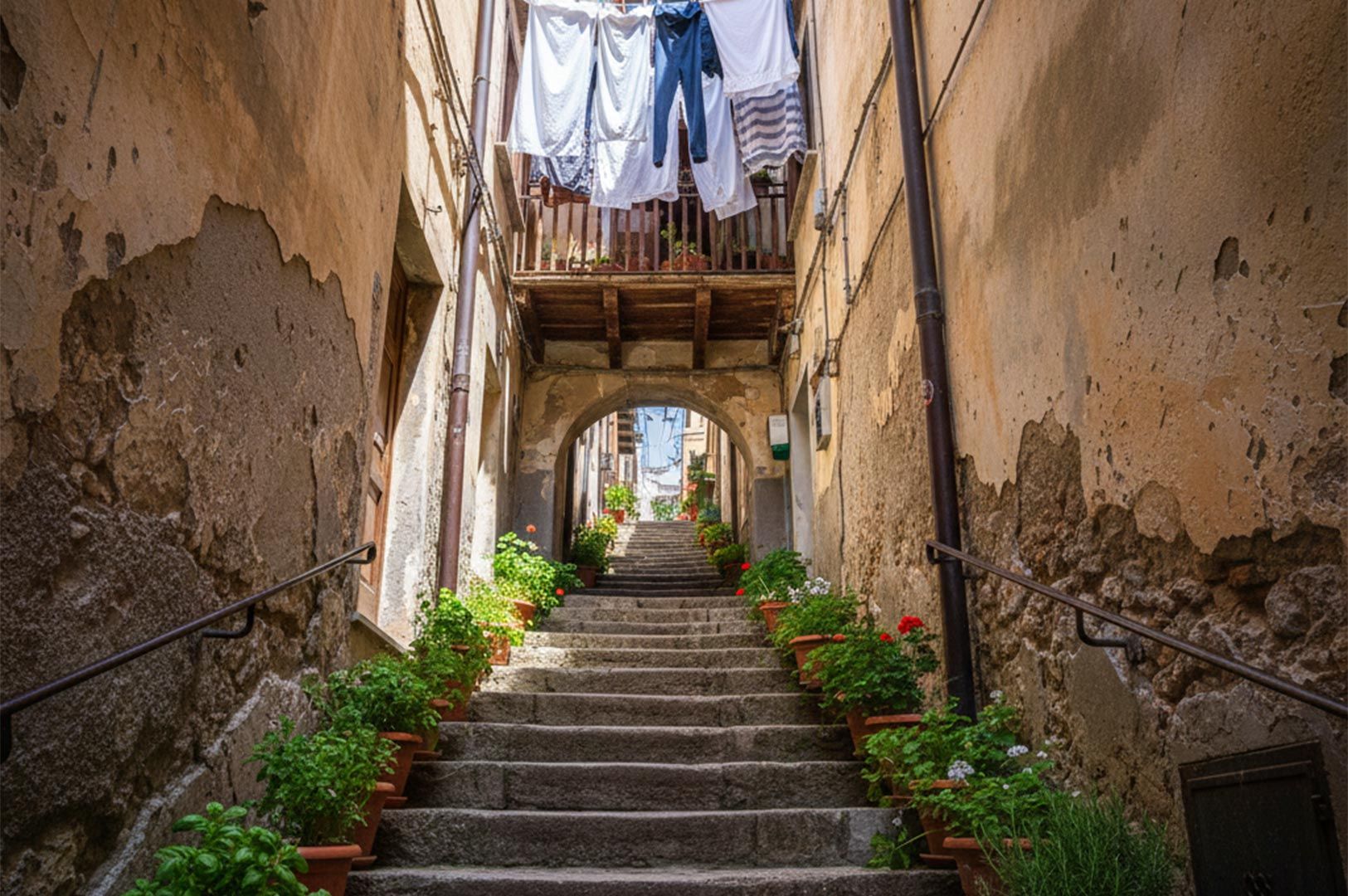
The single most important piece of advice for finding better food in Positano is to climb. The further you get from the beach, the better and more authentic the food becomes. The steep staircases that deter many tourists are your pathway to culinary gold.
The Charm of a Family-Run Trattoria
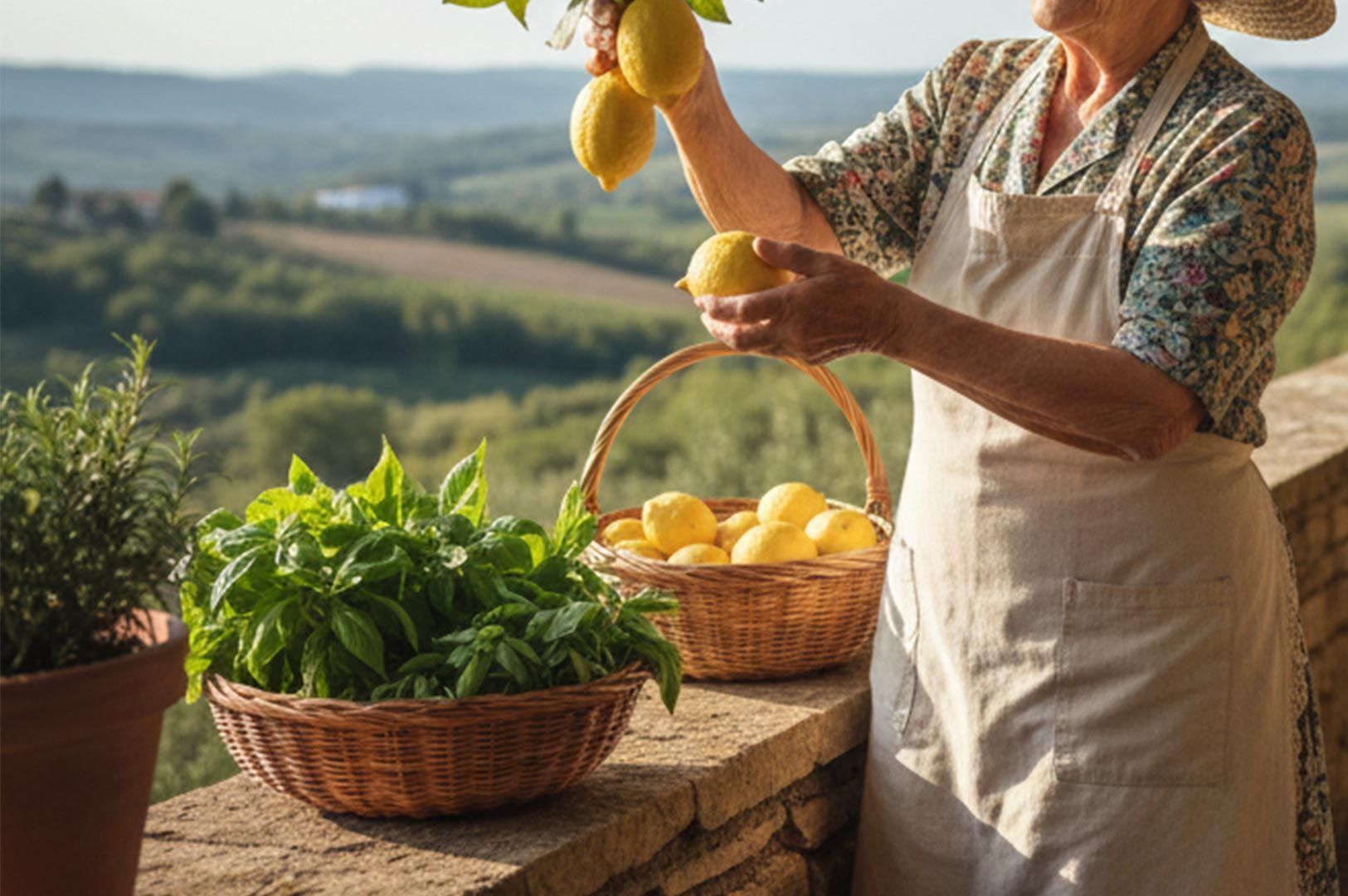
As you ascend into the residential parts of town, you’ll find small, family-run establishments. Here, "Nonna" might actually be in the kitchen, and the menu is often small and handwritten, changing based on what is fresh that day. These are the places where you will find simple, perfectly executed local dishes.
A Personal Anecdote: The Lemon Pasta Revelation
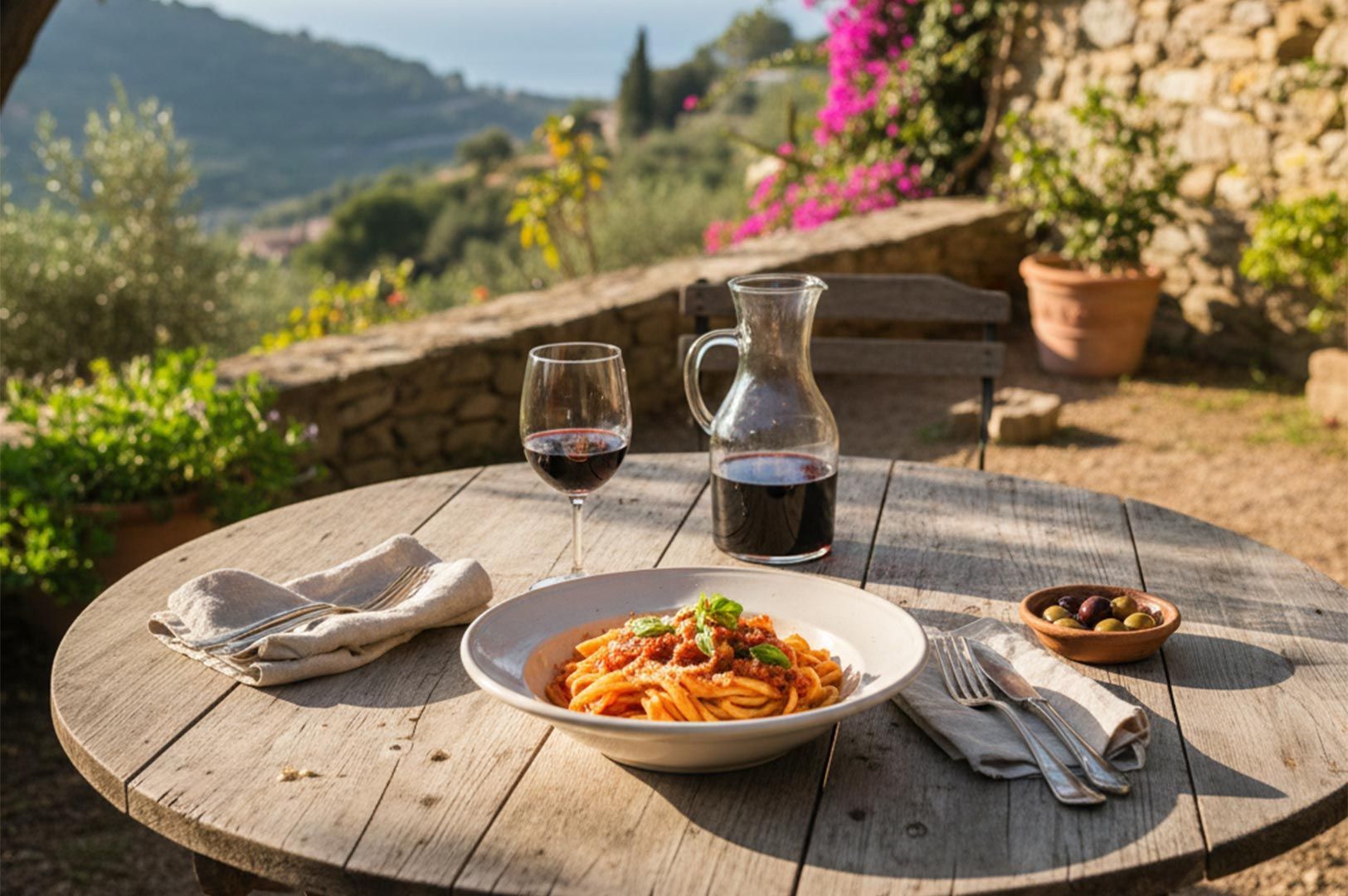
On one trip, my boss was craving a simple spaghetti al limone, a classic dish of the region. The version we’d had at a chic hotel restaurant was technically perfect but lacked soul. On a mission, I spoke to the driver we had hired, a Positano native named Enzo. Without hesitation, he told me to go to a small, unassuming trattoria high up on the hill, a place with no view of the sea.
I went that evening. The restaurant was simple, filled with the sound of Italian families talking and laughing. I ordered the lemon pasta. It was a revelation. The pasta was clearly handmade, and the sauce was an emulsification of pasta water, butter, fresh lemon juice, and high-quality Parmesan—creamy, bright, and intensely flavorful. It tasted of care and tradition. When I brought my boss back the next night, he declared it the
best meal of the trip. This is the magic you find when you venture off the beaten path.
Beyond Positano: The Real Gastronomic Gems

While Positano has its hidden gems, the truly unforgettable meals often require a short drive into the surrounding hills and villages. These are the destinations that locals from across the coast will drive to for a special meal.
Montepertuso: The "Hole in the Mountain"
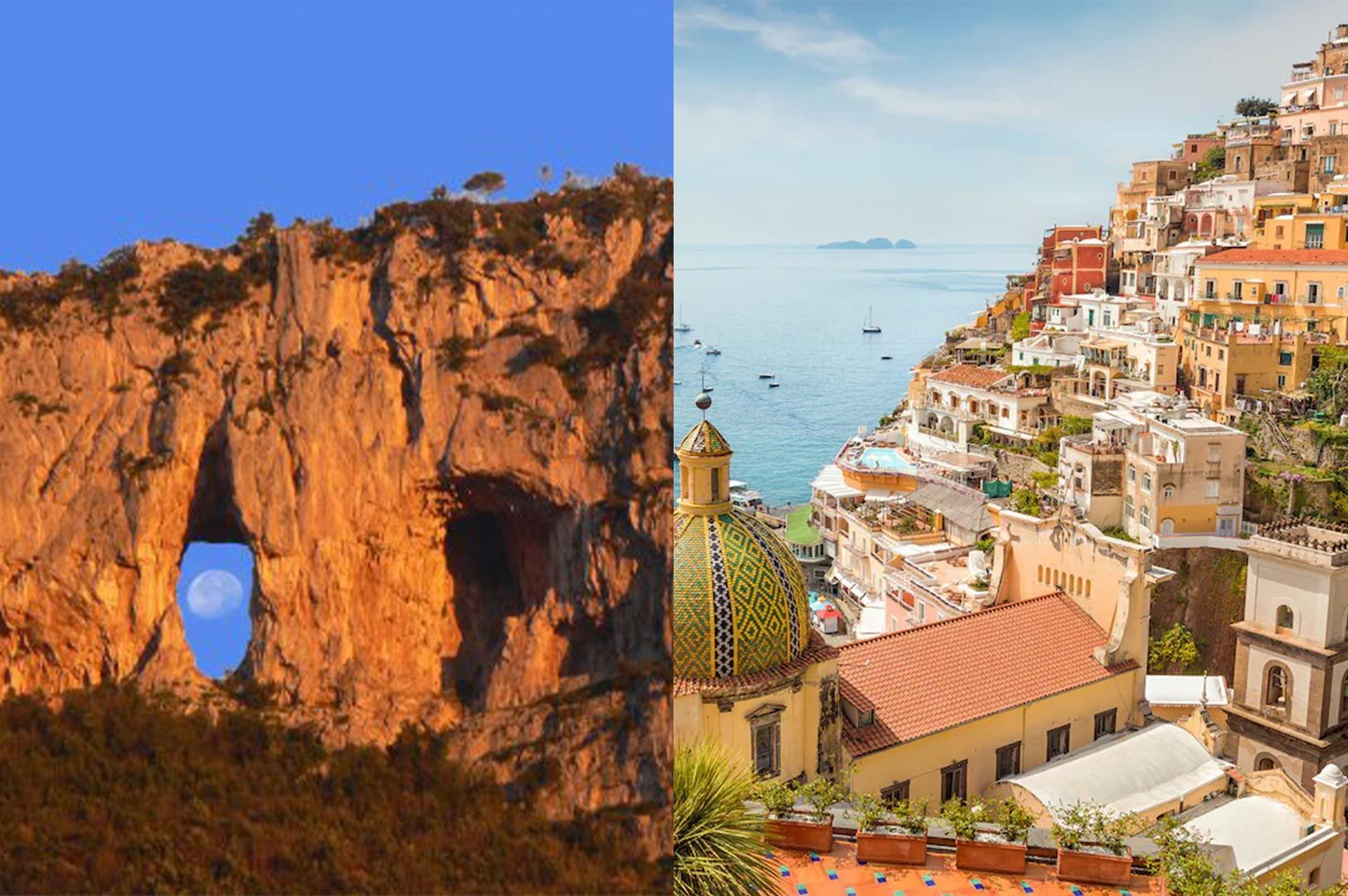
Just above Positano is the tiny village of Montepertuso, which translates to "hole in the mountain," named after a natural rock formation. This village is a culinary hotspot.
- Il Ritrovo: This restaurant offers a free shuttle service from Positano, a testament to its status as a destination. It serves incredible, refined versions of local classics with ingredients often sourced from its own garden.
- La Tagliata: Perched even higher, La Tagliata offers a fixed-price, family-style feast with no menu. They bring you wave after wave of antipasti, pasta, grilled meats, and dessert, all while you enjoy a jaw-dropping view. It’s an experience of overwhelming generosity.
Nocelle: The End of the Path of the Gods
The tiny hamlet of Nocelle sits at the end of the famous
Path of the Gods hiking trail. It’s a peaceful, car-free village that feels a world away from the bustle below. Reaching it is part of the adventure, and the reward is incredible food in a tranquil setting. A visit here is often recommended by top-tier travel guides like
Condé Nast Traveler.
The Agriturismo Experience: From Farm to Your Table

For the ultimate authentic dining experience, seek out an agriturismo. These are working farms that offer meals, often to a small number of guests.
- What to Expect: An agriturismo meal is the epitome of farm-to-table. Everything you eat—the vegetables, the cheese, the olive oil, the wine—is likely produced on the property. The menu is fixed, based entirely on what is seasonal and abundant.
- Finding One: These are not places you will stumble upon. They require research and advance booking. Local tourism boards and specialized culinary guides are good resources. This type of sustainable tourism is a growing focus for Italy's national tourism agency,
ENIT.
The Art of the "Pranzo" in a Neighboring Town

One of the best ways to eat like a local is to escape Positano for lunch (pranzo). Take a ferry to a nearby, less tourist-centric town.
Praiano: The Quiet Neighbor
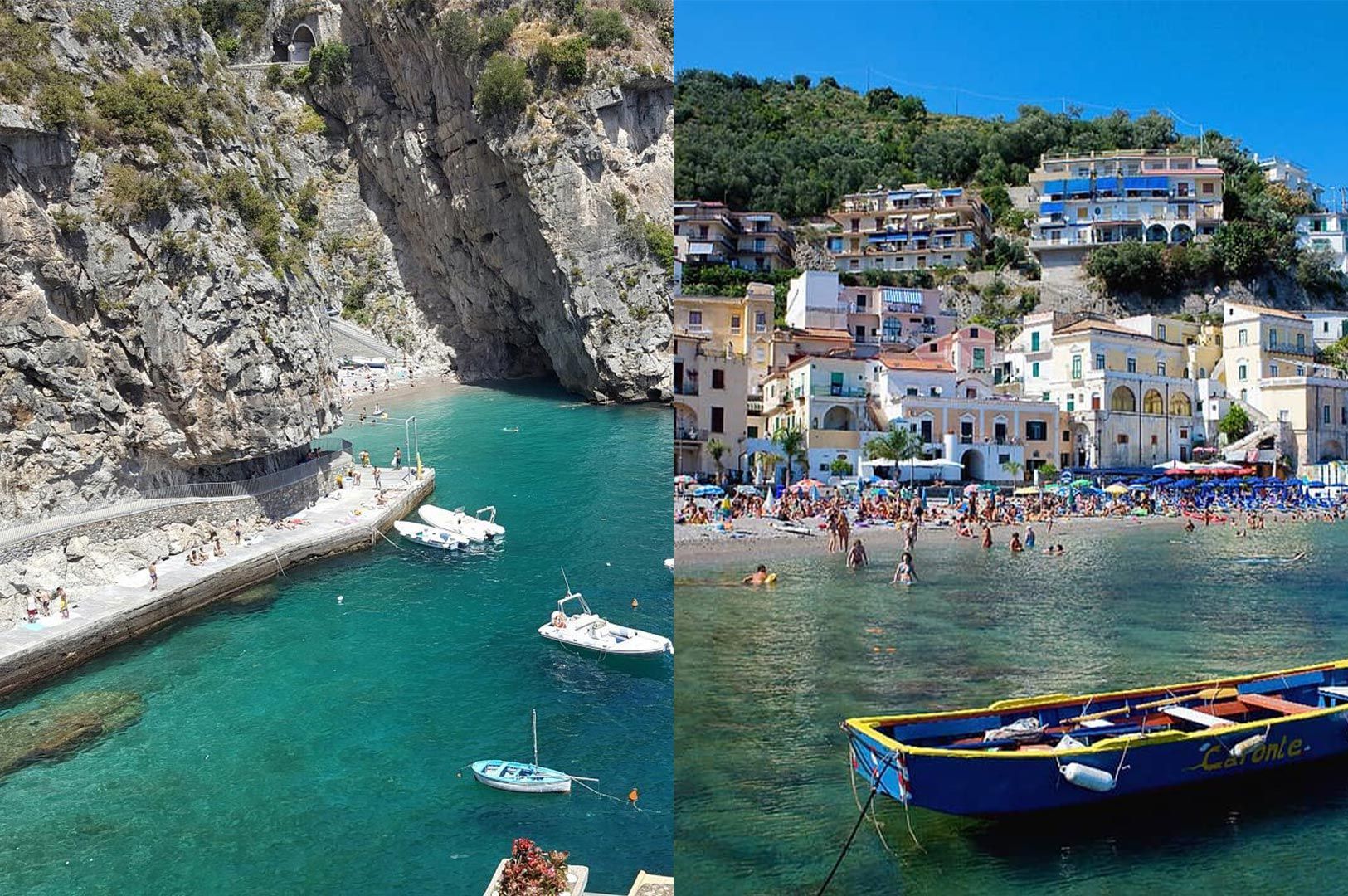
Praiano is a quieter, more residential town just down the coast. It’s a great place to find excellent seafood restaurants that cater to a local crowd. Look for places near the small, charming beach of Marina di Praia.
Cetara: The Anchovy Capital
For the truly adventurous food lover, a trip to Cetara is a must. This working fishing village is the heart of the Amalfi Coast's anchovy industry. Here you can try
colatura di alici, an ancient Roman fish sauce that is a local delicacy. Dining in Cetara is a deep dive into the region's authentic maritime culture.
The PA’s Playbook: How I Find the Hidden Gems

My role as a personal assistant is to be a detective, using a specific set of tools to uncover these local treasures.
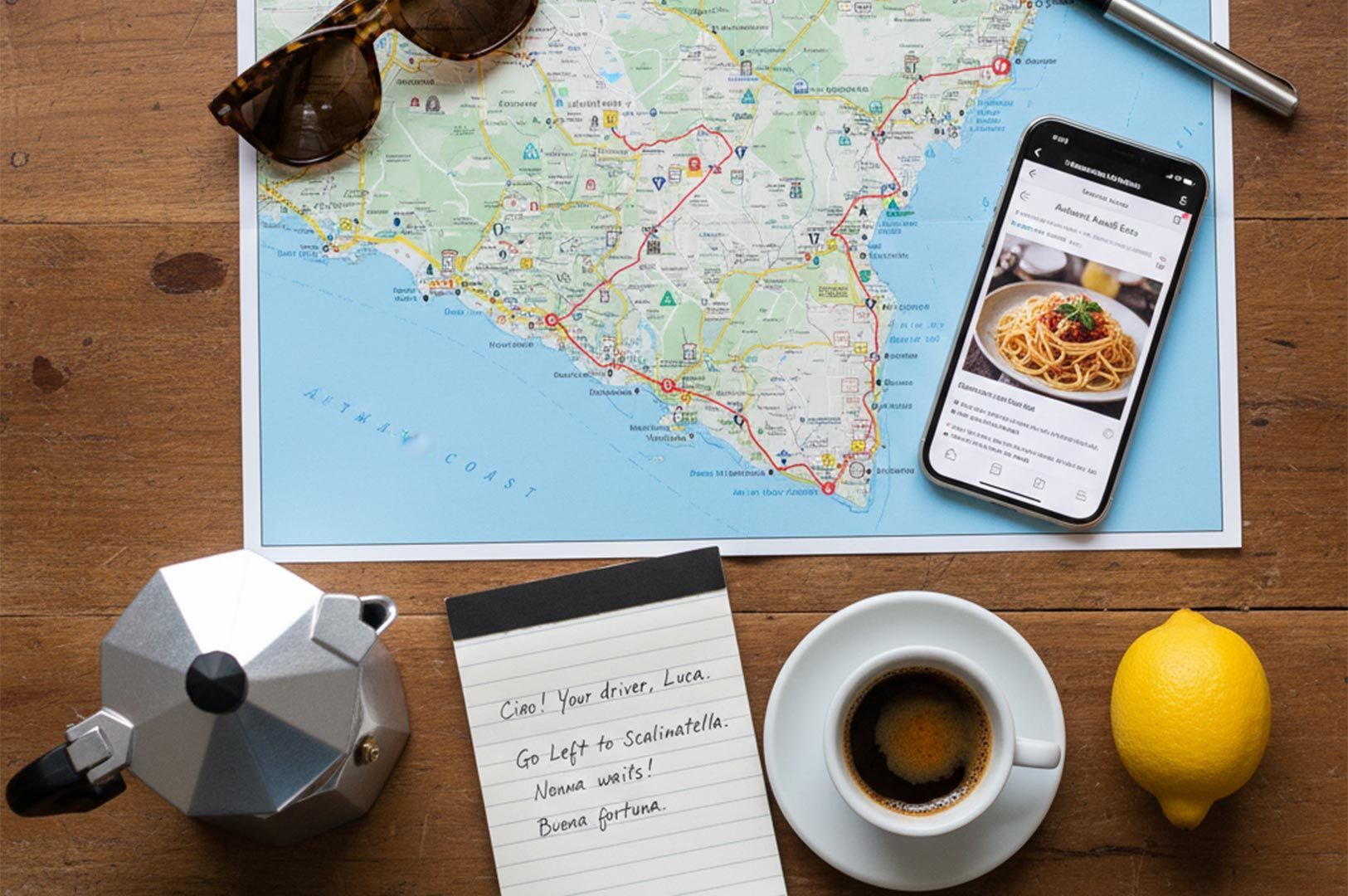
- Talk to the Locals: This is the golden rule. I don't just ask the hotel concierge. I ask our driver, the housekeeper at the villa, the shopkeeper at the local alimentari. I ask them, "Where would you take your own family for a special meal?"
- Italian Food Blogs and Forums: I use translation tools to read local Italian food blogs and forums. This is where you find the passionate, unfiltered opinions of people who live and breathe the local food scene.
- The "Menu Test": I always look for a short, seasonal, and all-Italian menu. If the menu is a novel translated into five languages, it’s a bad sign.
Trading the Perfect View for the Perfect Meal
Positano is undeniably one of the most beautiful places on earth. It is easy to be seduced by the allure of a waterfront table, watching the boats bob in the harbor as the sun sets. There is a time and a place for that experience.
But the true culinary soul of the Amalfi Coast is not found there. It is found up steep staircases, in tiny villages, on working farms, and in the kitchens of families who have been cooking this food for centuries. It’s a cuisine built on the principles of simplicity, freshness, and tradition—the very essence of Italian cooking.
To find it, you must be willing to trade the perfect view for the perfect meal. You must be willing to make an effort, to climb the stairs, to take the winding road. But for those who do, the reward is a taste of the
real Positano, a delicious secret shared with those in the know. And that is a luxury that no amount of money can buy.